Landlord Electrical Obligations QLD: Complete Compliance Guide 2026
Complete guide to QLD landlord electrical obligations: safety switches, smoke alarms, certificates, penalties, and tenant rights. Avoid $30,000 fines.
Queensland landlords face serious legal obligations for electrical safety in rental properties. Get it wrong and you’re looking at fines up to $30,000, invalidated insurance, potential prosecution, and civil liability if a tenant is injured. I’ve seen landlords hit with massive bills after electrical incidents because they didn’t understand their legal duties.
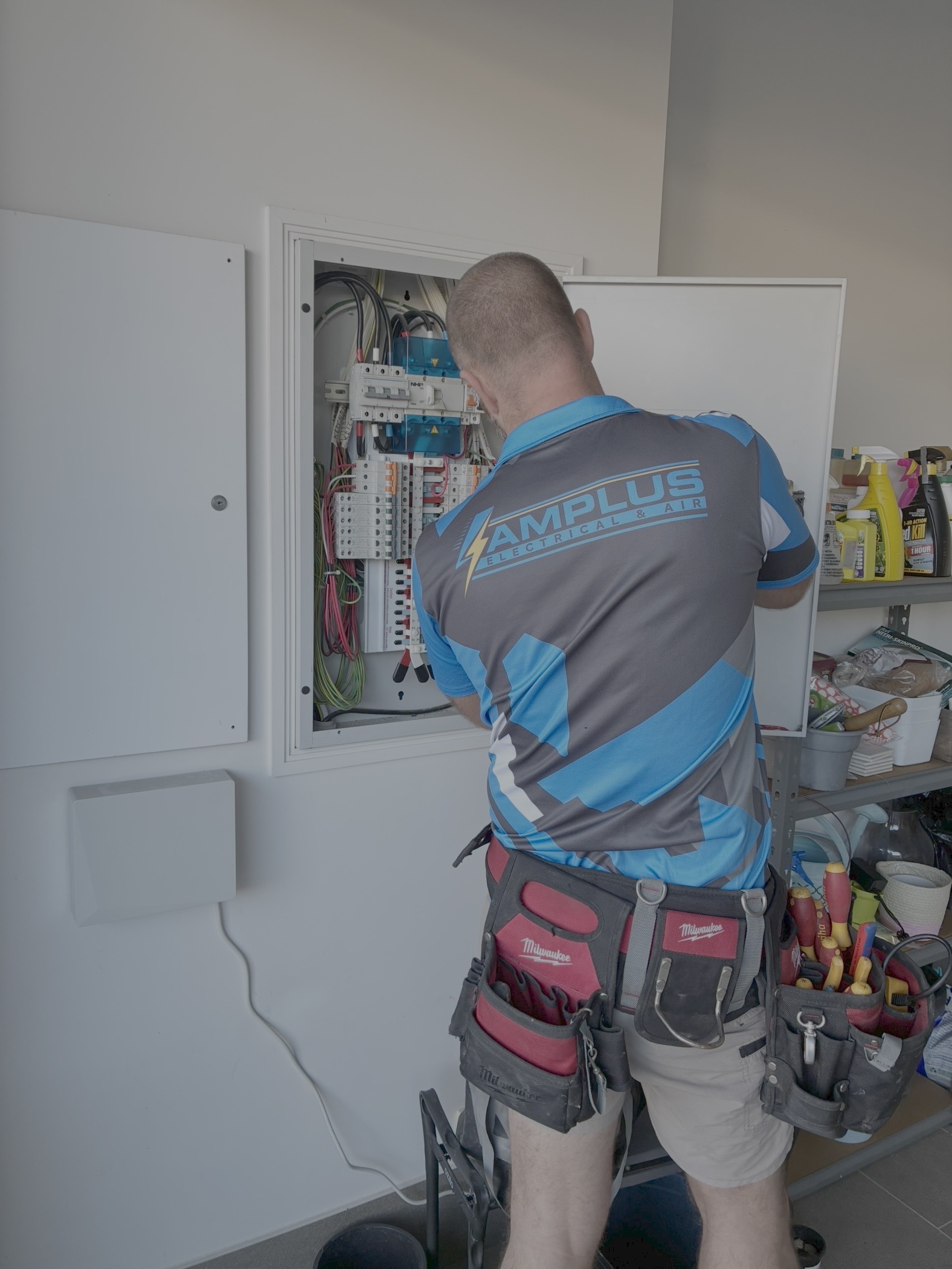
I’m Aaron, a licensed electrician in Brisbane. I’ve helped hundreds of landlords get their rental properties compliant across Capalaba, Cleveland, Redlands, and greater Brisbane. In this guide, I’ll break down exactly what the law requires, what happens when you don’t comply, and how to protect yourself legally and financially.

External Resources:
- Electrical Safety Queensland — Queensland Government housing and rental property compliance
- Residential Tenancies Authority (RTA) — tenancy law and dispute resolution
- Queensland Civil and Administrative Tribunal (QCAT) — dispute resolution and enforcement
What Are a Landlord’s Electrical Obligations in Queensland?
Under Queensland law, landlords have a non-delegable duty to ensure their rental properties are electrically safe. This isn’t just a recommendation — it’s a legal requirement with serious consequences for non-compliance.
The key legislation includes:
- Residential Tenancies and Room Accommodation Act 2008 — sets out landlord obligations for property maintenance and safety
- Electrical Safety Act 2002 — requires all electrical installations to be safe and compliant
- Electrical Safety Regulation 2013 — specific requirements for smoke alarms, safety switches, and electrical certificates
- Building Fire Safety Regulation 2008 — smoke alarm installation and maintenance requirements
The critical point: You can’t contract out of these obligations. Even if your property manager handles maintenance, you’re still legally responsible if something goes wrong.
What Does “Electrically Safe” Mean Legally?
Under the Electrical Safety Act 2002, electrical equipment is “electrically safe” if it:
- Complies with relevant Australian Standards (AS/NZS 3000:2018 Wiring Rules)
- Is installed by a licensed electrician
- Has appropriate safety devices (RCDs, circuit breakers)
- Is maintained in safe working condition
- Has proper earthing and bonding
If any of these aren’t met, your property is legally non-compliant and you’re at risk.
Mandatory Safety Devices: What You Must Have
1. Safety Switches (RCDs) — Legally Required
Since 2000, all Queensland rental properties must have safety switches (Residual Current Devices, or RCDs) installed on all power circuits and lighting circuits. RCDs detect earth leakage and cut power in milliseconds to prevent electrocution.
Legal requirement: If your property was built before 2000 and doesn’t have RCDs, you must install them. This is not optional. For more details, see our safety switch testing guide.
Penalty for non-compliance: Up to $15,000 for an individual or $30,000 for a corporation.
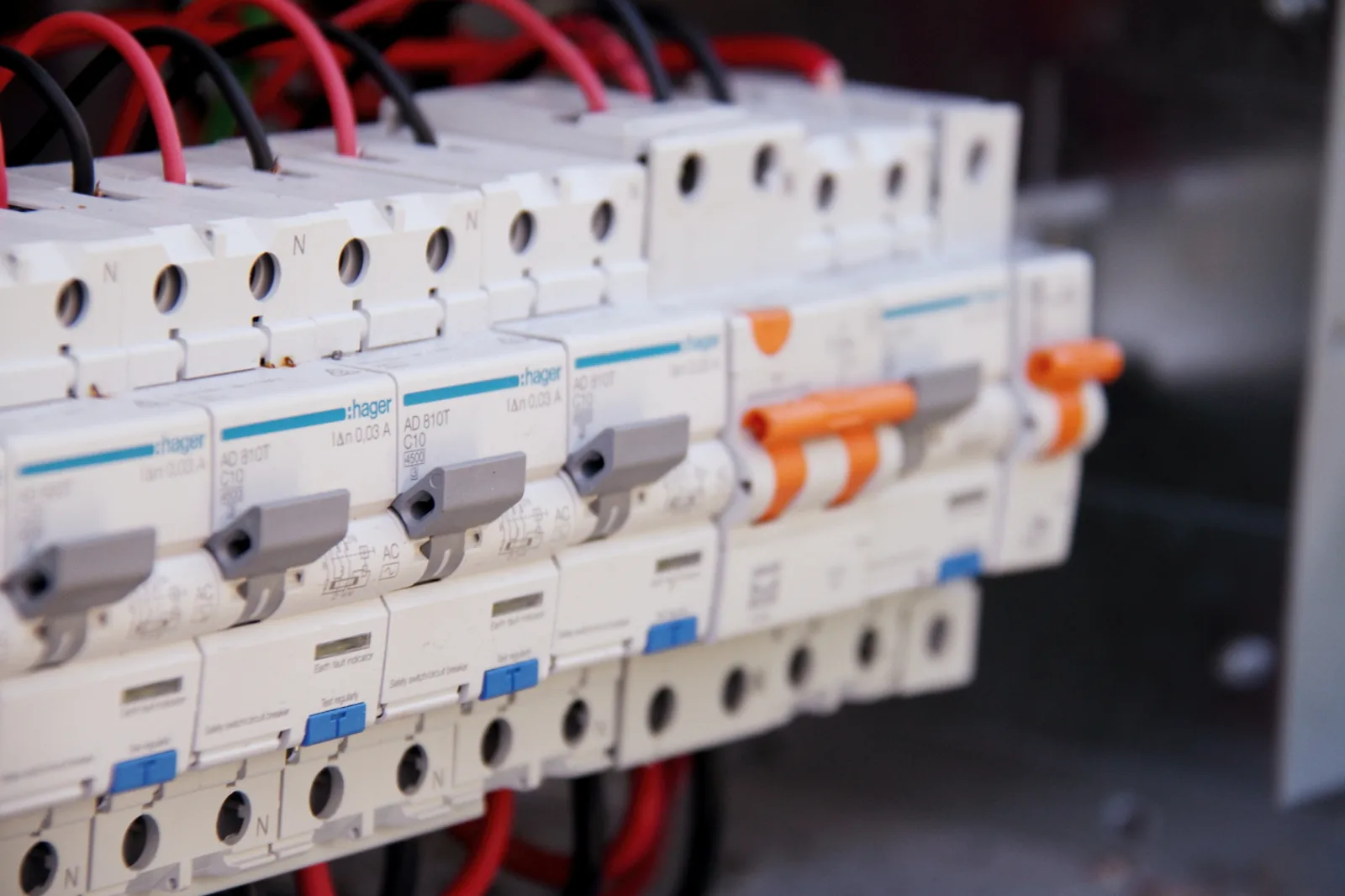
What RCDs protect:
- All power point circuits
- All lighting circuits
- Air conditioner circuits (recommended, not always mandatory)
2. Smoke Alarms — Strict Compliance Deadlines
Queensland has some of the strictest smoke alarm laws in Australia for rental properties. Under the Building Fire Safety Regulation 2008:
For all rental properties:
- Smoke alarms must be installed on every level
- Smoke alarms must be in every bedroom
- Smoke alarms must be in hallways connecting bedrooms
- If no bedroom, smoke alarm must be in the exit path
Compliance deadlines:
- From 1 January 2022: All new tenancies must have compliant smoke alarms
- From 1 January 2027: ALL rental properties must have compliant smoke alarms, regardless of tenancy start date
What “compliant” means:
- Photoelectric smoke alarms (not ionisation)
- Less than 10 years old
- In working order
- Hardwired OR with 10-year non-removable lithium battery
- Interconnected (when one alarm detects smoke, all alarms sound)
Penalty for non-compliance: Up to $15,000 for an individual or $30,000 for a corporation, plus potential criminal liability if a fire causes injury or death. For a detailed breakdown, see our smoke alarm compliance guide.
3. Electrical Safety Certificate — Required for New Tenancies
Before a new tenancy starts, landlords must provide tenants with an electrical safety certificate issued within the last 2 years. This certificate confirms:
- The switchboard is compliant
- Safety switches are installed on all required circuits
- Smoke alarms are compliant
- The electrical installation is safe
When you need a certificate:
- New tenancy agreement
- After any electrical work that affects safety devices
- If the previous certificate is more than 2 years old
Who can issue it: Only a licensed electrician can issue an electrical safety certificate after inspecting the property. Learn more about electrical safety certificate costs.
Landlord Liability: What Happens When Things Go Wrong
Here’s where it gets serious. If a tenant is injured or killed due to electrical faults in your rental property, you could face:
Civil Liability
Tenants can sue you for:
- Personal injury damages (medical costs, lost income, pain and suffering)
- Property damage (if electrical faults damage tenant’s belongings)
- Compensation for breach of tenancy agreement
Real example: A Brisbane landlord was ordered to pay $280,000 in damages after a tenant suffered electric shock from a faulty power point. The landlord didn’t have RCDs installed and hadn’t had the property inspected in 5 years.
Criminal Prosecution
Under the Electrical Safety Act 2002, landlords can be prosecuted for:
- Supplying electrically unsafe equipment
- Failing to install required safety devices
- Ignoring known electrical hazards
Maximum penalties:
- $15,000 fine for an individual
- $30,000 fine for a corporation
- Potential imprisonment for serious offences causing death
Insurance Implications
Most landlord insurance policies require you to comply with all relevant laws. If you don’t:
- Claims may be denied — if an electrical fire causes damage and your property was non-compliant, the insurer may refuse to pay
- Premiums may increase — insurers are starting to ask for electrical safety certificates before issuing policies
- Coverage may be voided — some policies explicitly exclude coverage for non-compliant properties
What to check: Review your landlord insurance policy. Many now require you to confirm that your property has compliant smoke alarms, RCDs, and a current electrical safety certificate. If you’ve had an electrical incident, you may need an emergency electrician to assess the damage.
Tenant Rights: What Tenants Can Demand
Tenants have specific rights under Queensland tenancy law:
Right to a Safe Property
Tenants have the right to a property that is:
- Electrically safe
- Fit for habitation
- Compliant with all health and safety laws
Right to Request Repairs
If a tenant identifies an electrical issue, they can:
- Notify the landlord/property manager in writing (email or letter)
- Request urgent repairs for issues like:
- Power outages affecting essential services
- Exposed wiring
- Burning smells from power points
- Tripped safety switches that won’t reset
- Apply to QCAT if the landlord doesn’t respond within reasonable timeframes
Urgent vs Non-Urgent Repairs
Urgent electrical repairs (must be addressed within 24-48 hours):
- Total loss of power
- Exposed live wiring
- Burning smell from electrical equipment
- Safety switch that keeps tripping and won’t reset
- Water damage affecting electrical systems
Non-urgent repairs (must be addressed within 7 days):
- Non-functional power points
- Flickering lights
- Faulty light switches
- Non-working air conditioning (in non-essential areas)
If you don’t respond: Tenants can arrange repairs themselves (up to $4,000 for urgent repairs) and claim the cost from you, or apply to QCAT for an order requiring you to complete the repairs.
Penalties and Fines: The Real Cost of Non-Compliance
Let’s be clear: the cost of compliance is far less than the cost of non-compliance. Here’s what you’re looking at:
Specific Penalties Under Queensland Law
| Offence | Maximum Penalty (Individual) | Maximum Penalty (Corporation) |
|---|---|---|
| Supplying electrically unsafe equipment | $15,000 | $30,000 |
| Failing to install required RCDs | $15,000 | $30,000 |
| Non-compliant smoke alarms | $15,000 | $30,000 |
| Failing to provide electrical safety certificate | $6,000 | $12,000 |
| Electrical work causing death (criminal negligence) | Imprisonment | $200,000+ |
Beyond Fines: The Hidden Costs
Legal costs: If you’re prosecuted or sued, legal fees can easily exceed $20,000-$50,000, even if you win.
Lost rental income: If QCAT orders repairs, you may be ordered to reduce rent or compensate the tenant for the period the property was non-compliant.
Reputation damage: Property managers talk. Tenants talk. If you develop a reputation for ignoring electrical safety, you’ll struggle to attract quality tenants.
Property value impact: Non-compliant electrical work can reduce property value by 5-10%, especially if discovered during a sale.
Dispute Resolution: When Landlords and Tenants Disagree
Sometimes disputes arise about who’s responsible for electrical repairs or whether a property is compliant. Here’s how they’re resolved:
Step 1: Direct Negotiation
Most disputes are resolved through direct communication. If a tenant raises a concern:
- Acknowledge the issue promptly
- Arrange an inspection by a licensed electrician
- Provide the tenant with the inspection report
- Agree on a timeline for repairs
Step 2: RTA Dispute Resolution
If direct negotiation fails, either party can apply to the Residential Tenancies Authority (RTA) for free dispute resolution. The RTA will:
- Review evidence from both parties
- Facilitate mediation (phone or in-person)
- Issue a recommendation (not legally binding)
Step 3: QCAT Application
If RTA mediation fails, either party can apply to the Queensland Civil and Administrative Tribunal (QCAT). QCAT can:
- Order repairs to be completed
- Order rent reductions or compensation
- Order termination of the tenancy
- Impose penalties for non-compliance
QCAT decisions are legally binding and can be enforced through the courts.
Common Disputes
Dispute 1: “The tenant caused the damage”
If a tenant damages electrical equipment (e.g., overloading power points), they’re responsible for repair costs. But the landlord must prove the damage was caused by the tenant, not by wear and tear or pre-existing faults.
Dispute 2: “The property was compliant when they moved in”
Even if the property was compliant at the start of the tenancy, the landlord must maintain compliance throughout. If safety devices fail or smoke alarms reach 10 years old, the landlord must replace them.
Dispute 3: “The property manager handles it”
Delegating to a property manager doesn’t transfer legal responsibility. If the property manager fails to arrange repairs, the landlord is still liable.
Compliance Timeline: When Things Must Be Done
Here’s a timeline of key compliance deadlines:
Before a New Tenancy Starts
- ✅ Ensure all smoke alarms are compliant (photoelectric, <10 years old, interconnected)
- ✅ Ensure RCDs are installed on all power and lighting circuits
- ✅ Obtain an electrical safety certificate (issued within last 2 years)
- ✅ Provide the certificate to the tenant before they move in
- ✅ Ensure all electrical work is completed by licensed electricians
During the Tenancy
- ✅ Respond to urgent repair requests within 24-48 hours
- ✅ Respond to non-urgent repair requests within 7 days
- ✅ Replace smoke alarm batteries annually (or use 10-year lithium battery alarms)
- ✅ Test smoke alarms annually
- ✅ Test safety switches annually (press the “test” button)
- ✅ Address any electrical hazards reported by tenants
Before Selling the Property
- ✅ Ensure electrical safety certificate is current (within 2 years)
- ✅ Disclose any known electrical issues to potential buyers
- ✅ Provide all electrical compliance documentation
Cost of Compliance: What Landlords Actually Pay
Here’s what typical compliance costs look like for a 3-bedroom rental property in Brisbane:
| Item | Cost Range | Frequency |
|---|---|---|
| Electrical safety certificate | $250-$400 | Every 2 years (or before new tenancy) |
| RCD installation (per circuit) | $80-$150 | One-time (if not already installed) |
| Smoke alarm replacement (per alarm) | $120-$180 | Every 10 years (or when faulty) |
| Switchboard upgrade (if needed) | $1,200-$2,500 | One-time (if non-compliant) |
| General electrical repairs | $150-$500 | As needed |
Total typical cost: $500-$1,500 for a compliant property, or $2,000-$4,000 if major upgrades are needed (switchboard, full rewire).
Tax deductibility: Most electrical compliance costs are tax-deductible for investment properties. Consult your accountant, but generally:
- Repairs and maintenance = immediately deductible
- Capital improvements (switchboard upgrades) = depreciated over time
- Electrical safety certificates = deductible
Common Mistakes Landlords Make
1. Assuming the Property Manager Handles Everything
Property managers coordinate repairs, but the legal responsibility remains with the landlord. If your property manager fails to arrange urgent repairs, you’re still liable.
Fix: Regularly check in with your property manager. Request copies of all repair requests and completion certificates. Don’t just set and forget.
2. Ignoring Tenant Reports
Tenants are your first line of defence. If they report an electrical issue, take it seriously. Dismissing complaints or delaying repairs is a fast track to QCAT and fines.
Fix: Respond to all tenant reports within 24 hours. Arrange inspections promptly. Keep tenants informed of progress. For urgent electrical issues, see our guide on electrical buzzing and humming.
3. Using Unlicensed Electricians
Using unlicensed electricians to save money is illegal and voids your insurance. If unlicensed work causes a fire or injury, you’re personally liable.
Fix: Always use licensed electricians. Ask to see their licence and check it with the Electrical Safety Office. Get a compliance certificate for all work. If you’re concerned about costs, see our electrician cost guide.
4. Skipping the Electrical Safety Certificate
Some landlords try to save $250-$400 by not getting a certificate before a new tenancy. This is illegal and can result in fines up to $6,000.
Fix: Budget for certificates as part of your rental property costs. They’re tax-deductible and protect you legally.
5. Not Keeping Records
If you can’t prove compliance, you’re not compliant. Missing certificates, no inspection reports, no repair records = you’re exposed.
Fix: Keep a compliance folder for each property. Store certificates, inspection reports, repair invoices, and tenant communications. Digital copies are fine.
Protect Yourself: The Smart Landlord Approach
Electrical compliance isn’t just about avoiding fines — it’s about protecting your investment, your tenants, and yourself. Here’s the smart approach:
- Get compliant before renting — don’t start a tenancy with a non-compliant property
- Keep detailed records — certificates, inspections, repairs, communications
- Respond promptly to tenant concerns — don’t let small issues become big problems
- Use licensed electricians only — no shortcuts, no DIY
- Budget for compliance — factor electrical safety into your rental property costs
- Review your insurance — ensure your policy covers compliant properties
- Stay informed — laws change, make sure you’re up to date
If you’re unsure whether your rental property is compliant, get an electrical safety inspection. It costs $250-$400 and gives you peace of mind. If issues are found, you can fix them before they become legal problems.
Regional Considerations: Brisbane and Redlands
If your rental property is in Brisbane, Capalaba, Cleveland, or the Redlands area, there are some regional factors to consider:
Older Homes in the Redlands
Many rental properties in suburbs like Capalaba, Cleveland, and Wynnum were built in the 1970s and 1980s. These homes often have:
- Ceramic fuse boxes — completely non-compliant, must be upgraded to circuit breakers and RCDs
- No safety switches — RCDs weren’t mandatory until 2000, so older homes need retrofits
- Outdated wiring — rubber-insulated cables that degrade over time
- Asbestos sheeting — common behind old switchboards, requires professional removal during upgrades
If you own an older rental property in the Redlands, budget for a ceramic fuse box upgrade ($1,200-$2,500) and full RCD installation. It’s not optional — it’s legally required.
Coastal Property Considerations
Rental properties near the coast (Cleveland, Victoria Point, Redland Bay) face additional challenges:
- Salt corrosion — accelerates deterioration of outdoor electrical fittings
- Higher humidity — increases risk of electrical faults in poorly ventilated areas
- Storm damage — coastal properties are more exposed to storm-related electrical damage
Inspect outdoor electrical fittings annually and replace any showing signs of corrosion. Ensure all outdoor power points have weatherproof covers and RCD protection.
Property Type Variations
Different rental property types have different compliance requirements:
Units and apartments:
- Body corporate may manage common area electrical
- You’re responsible for electrical within your lot
- Check body corporate bylaws for additional requirements
Townhouses:
- Often have separate switchboards for each level
- Ensure RCDs on all levels
- Check if shared walls affect electrical compliance responsibilities
Houses with granny flats:
- Each dwelling needs its own electrical safety certificate
- Separate meters may require separate compliance
- Ensure both dwellings have compliant smoke alarms and RCDs
Common Electrical Issues in Rental Properties
Based on my experience inspecting hundreds of rental properties across Brisbane, here are the most common electrical issues I find:
1. Missing or Faulty Safety Switches
Many older rental properties still don’t have safety switches installed, or have switches that don’t trip when tested. This is a critical safety issue and a legal violation.
What to do: Have a licensed electrician test all safety switches annually. Replace any that don’t trip within 300 milliseconds. If your property doesn’t have safety switches, install them immediately. Learn more about circuit breaker issues.
2. Outdated Switchboards
Switchboards with ceramic fuses, no main switch, or asbestos backing are common in pre-1990 properties. These are fire hazards and cannot be legally rented.
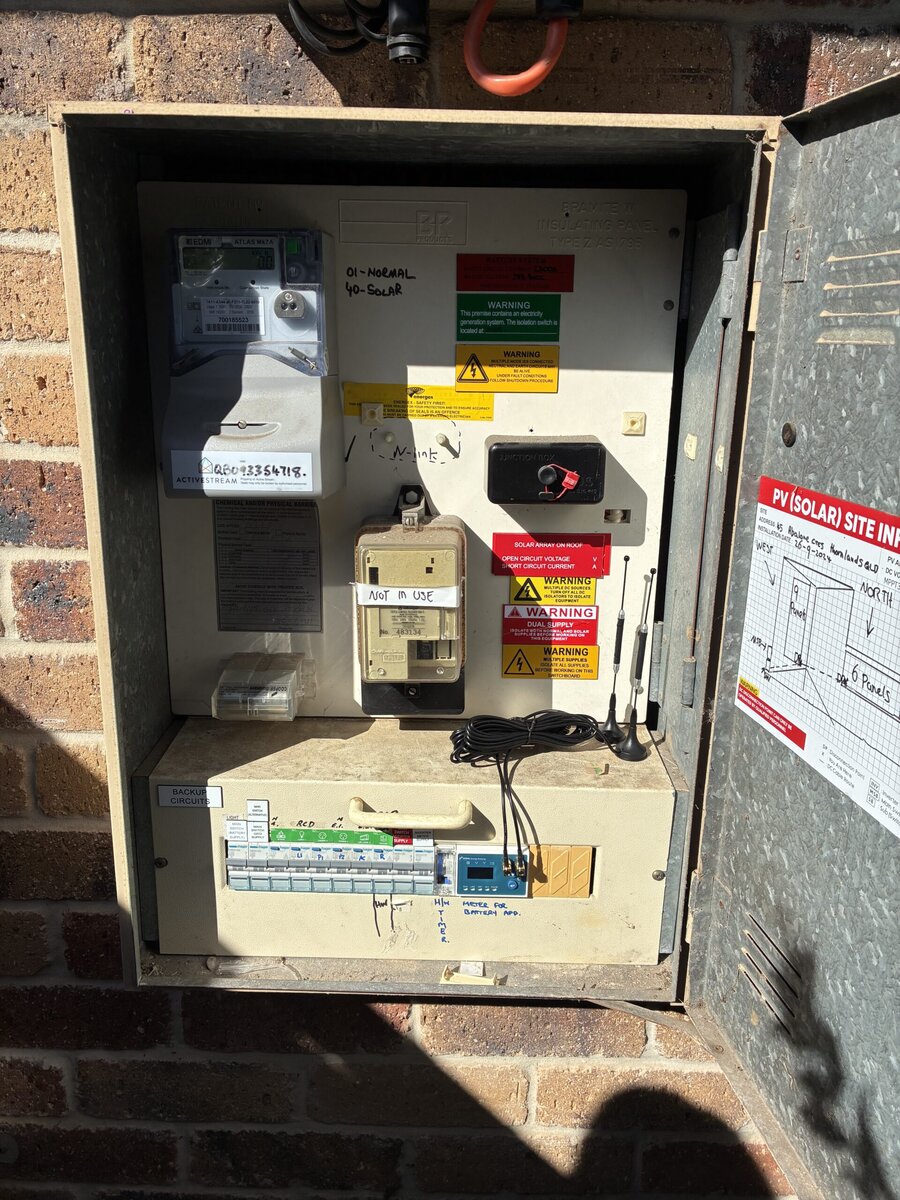
What to do: If your switchboard is outdated, book a switchboard upgrade. The cost ($1,200-$2,500) is far less than the potential fines and liability. For a complete guide, see our switchboard upgrade guide.
3. Non-Compliant Smoke Alarms
Ionisation smoke alarms, alarms over 10 years old, or alarms that aren’t interconnected are all non-compliant. This is one of the most common violations I see.
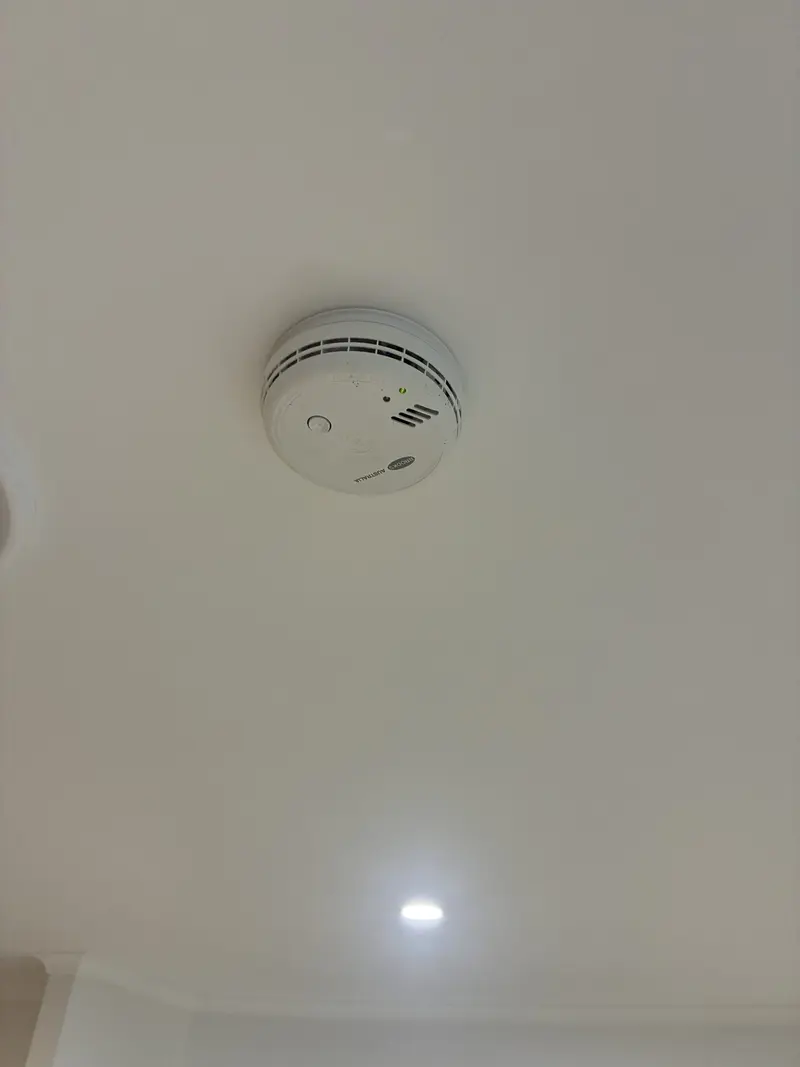
What to do: Replace all non-compliant smoke alarms with photoelectric, interconnected alarms. Check the manufacturing date on existing alarms — if they’re over 10 years old, replace them.
4. DIY Electrical Work
Tenants (or previous landlords) sometimes attempt DIY electrical work. This is illegal, dangerous, and voids insurance.
What to do: Have a licensed electrician inspect the property for any DIY work. Common signs include mismatched switches, exposed wiring, or work that doesn’t meet current standards. All DIY work must be removed and replaced by a licensed professional.
5. Overloaded Circuits
Tenants often use power boards and double adapters to compensate for insufficient power points. This creates fire hazards and can overload circuits.
What to do: Install additional power points in key areas (living rooms, bedrooms, kitchens). This is a relatively low-cost upgrade that significantly improves safety. If you’re in the Redlands area, check our Capalaba switchboard upgrade guide for local considerations.
Documentation Every Landlord Should Keep
Proper documentation is your best defence if a dispute arises. Keep these records for at least 7 years:
Essential Documents
- Electrical safety certificates — issued by licensed electricians, valid for 2 years
- Smoke alarm compliance records — installation dates, testing records, replacement dates
- Safety switch test records — annual testing results
- Repair invoices — all electrical repairs, including dates and descriptions
- Inspection reports — pre-tenancy and periodic inspections
- Tenant communications — all repair requests and your responses
Why Documentation Matters
If a tenant makes a complaint to the RTA or applies to QCAT, you’ll need to prove you’ve met your obligations. Without documentation, you can’t prove compliance. With documentation, you can demonstrate you’ve acted responsibly and responded promptly to issues.
Pro tip: Scan all documents and store them digitally. Use cloud storage or a dedicated folder on your computer. This ensures you don’t lose records if physical documents are damaged or lost.
Getting Professional Help
Electrical compliance can be complex, especially for older properties or properties with multiple dwellings. Don’t try to navigate it alone.
When to Call a Licensed Electrician
- Before starting a new tenancy — get an electrical safety certificate
- When tenants report electrical issues — respond promptly
- Every 2 years — schedule a compliance inspection
- Before selling a property — ensure all documentation is current
- After any electrical work — get a compliance certificate
Choosing the Right Electrician
Not all electricians are familiar with rental property compliance. When choosing an electrician:
- Ensure they’re licensed and insured
- Ask about their experience with rental properties
- Request a detailed quote that includes all compliance requirements
- Check reviews and ask for references
Need help getting your rental property compliant? I’ve helped hundreds of Brisbane landlords get their properties up to code. Contact me for a compliance inspection and quote.
Related Resources:
- Landlord Electrical Compliance Checklist — practical step-by-step guide
- Switchboard Upgrade Cost Guide — what to expect for upgrade costs
- Smoke Alarm Compliance Guide — QLD smoke alarm requirements
- Safety Switch Testing Guide — how often to test and why
Frequently Asked Questions
Can I do electrical work on my rental property myself?
No. In Queensland, only licensed electricians can perform electrical work on rental properties. DIY electrical work is illegal, voids your insurance, and can result in fines up to $15,000. Even changing a power point requires a licensed electrician.
How often should I have my rental property electrically inspected?
While not legally required annually, it’s strongly recommended. An electrical safety certificate is valid for 2 years, but if you have an older property or tenants report issues, inspect more frequently. Many landlords schedule inspections every 2 years to coincide with certificate renewal.
What if my tenant refuses access for repairs?
Tenants must provide reasonable access for repairs. If they refuse, you can apply to QCAT for an order requiring access. Don’t enter the property without permission — that’s a breach of the tenant’s right to quiet enjoyment and can result in penalties against you.
Am I liable if a tenant gets an electric shock?
Yes, if the shock was caused by your failure to maintain a safe property. If you’ve met all your obligations (RCDs installed, certificates current, repairs completed promptly), your liability is reduced. But if you’ve ignored known issues or failed to install required safety devices, you’re personally liable for damages and potential prosecution.
Can I pass electrical compliance costs to the tenant?
No. Landlords cannot charge tenants for compliance costs like electrical safety certificates, RCD installation, or smoke alarm replacements. These are landlord obligations under the law. You can factor these costs into your rent setting, but you can’t charge them as separate fees.
What if I’m selling a rental property with tenants in place?
You must still ensure the property is compliant. Provide the buyer with all electrical compliance documentation. If the property is non-compliant, the buyer may request a price reduction or require you to complete repairs before settlement. Tenants’ rights don’t change when the property is sold — the new owner inherits the same obligations.
Do I need to upgrade my switchboard if it’s old but still working?
If your switchboard has ceramic fuses, no RCDs, or is non-compliant with current standards, yes — you must upgrade it. An old but “working” switchboard may still be legally non-compliant and a safety risk. An electrical safety certificate inspection will identify if an upgrade is required.
What happens if I don’t provide an electrical safety certificate?
You can be fined up to $6,000. Tenants can also apply to QCAT for an order requiring you to provide the certificate. In serious cases, tenants may be able to terminate the tenancy early without penalty if the property is non-compliant.
Are smoke alarm costs tax-deductible?
Yes. Smoke alarm installation, replacement, and maintenance costs are generally tax-deductible for investment properties. Consult your accountant for your specific situation, but most landlords can claim these as immediate deductions.
Can tenants break their lease if the property is non-compliant?
Potentially, yes. If the property is significantly non-compliant (e.g., no smoke alarms, exposed wiring), tenants can apply to QCAT for an order terminating the tenancy without penalty. This is more likely if you’ve been notified of the issue and failed to address it.
For a comprehensive electrical safety inspection at $199, see our electrical safety inspection cost guide.
How much does it cost to get a rental property compliant?
Typical costs for a 3-bedroom property include: electrical safety certificate ($250-$400), safety switch installation ($150-$300 per circuit), smoke alarm replacement ($120-$180 per alarm), and switchboard upgrade if needed ($1,200-$2,500). Total costs typically range from $500-$3,000 depending on the property’s current condition.
What’s the difference between a safety switch and a circuit breaker?
A safety switch (RCD) protects people from electric shock by detecting earth leakage and cutting power in milliseconds. A circuit breaker protects the wiring from overloads and short circuits. Both are required in rental properties, but they serve different purposes.
Need a Licensed Electrician in Brisbane Bayside?
Aaron is a licensed electrician (Lic. 1500996) and ARC-certified A/C technician serving Capalaba, Cleveland, Wynnum, Manly, Birkdale, Thornlands, Victoria Point and surrounding suburbs. Honest advice, upfront pricing, and quality work guaranteed.