Best Split System Brands for Brisbane: Daikin vs Mitsubishi Electric vs Haier (2026 Guide)
Daikin, Mitsubishi Electric, or Haier? After installing hundreds of split systems across Brisbane, here's which brand delivers the best value, efficiency, and reliability for our subtropical climate.
If you’re shopping for a split system air conditioner in Brisbane, you’ve probably noticed the big three brands dominate the market: Daikin, Mitsubishi Electric, and Haier. But which one actually delivers the best value for Brisbane’s subtropical climate? After installing hundreds of split systems across Capalaba, Cleveland, and the Redlands, here’s what we’ve learned: Daikin wins on reliability and quiet operation, Mitsubishi Electric offers the best energy efficiency and warranty, and Haier provides solid performance at a budget-friendly price. If you’re in Capalaba, read our Capalaba split system installation guide. For most Brisbane homes, we recommend the Mitsubishi Electric MSZ-AP series (2.5kW–5kW) for bedrooms and living areas, or the Daikin Cora series if noise is your top concern. Budget-conscious buyers can’t go wrong with Haier’s Flexis range — just expect slightly higher running costs over 10 years. For Redlands-specific installation advice, see our Redlands split system guide.
Once you’ve chosen your brand, see what to expect on installation day.
Choosing the right split system brand isn’t just about the sticker price — it’s about matching the unit to Brisbane’s humid summers, mild winters, and your specific room size. Get this wrong, and you’ll either overpay for capacity you don’t need, or struggle with a unit that can’t keep up when the mercury hits 35°C in January.
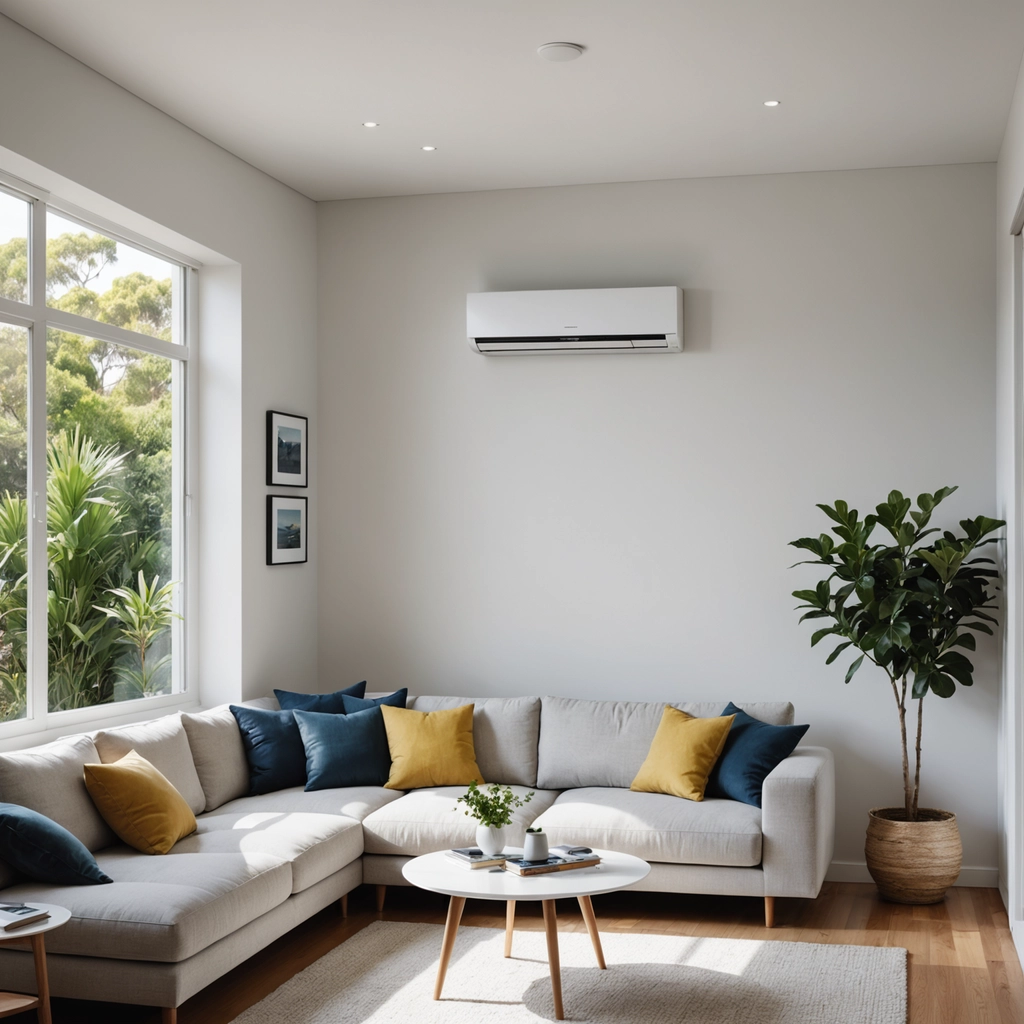
We’ve installed and serviced split systems from every major brand across Brisbane’s eastern suburbs — from heritage homes in Capalaba to modern builds in Thornlands. This guide cuts through the marketing fluff and gives you the real-world performance data, pricing, and reliability insights we’ve gathered from 15+ years in the field.
Why Brand Choice Matters More Than You Think
Most homeowners focus on capacity (kW) and price when shopping for a split system. But the brand determines three things that affect your wallet for the next 10–15 years:
- Energy efficiency — A 1-star difference in energy rating can add $150–$300/year to your electricity bill in Brisbane’s climate
- Reliability — Premium brands like Daikin and Mitsubishi Electric average 15–20 year lifespans with basic maintenance, while budget brands may need replacement at 10–12 years
- Noise levels — The difference between 19dB and 32dB is massive when you’re trying to sleep
Let’s break down each brand’s strengths and weaknesses for Brisbane conditions. Once you’ve chosen your brand, read our Brisbane summer prep checklist.
Daikin: The Reliability King
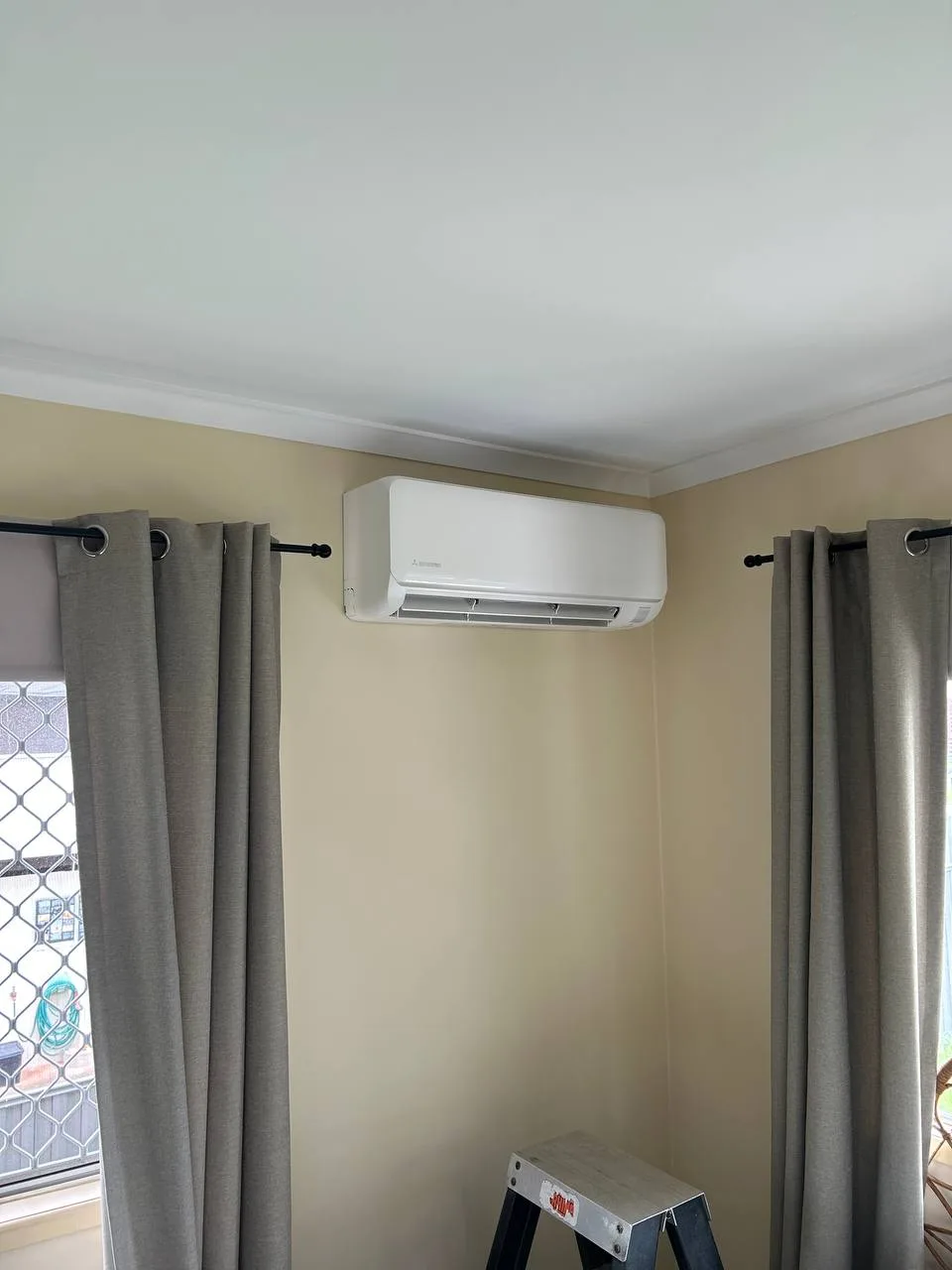
Why Daikin Dominates the Australian Market
Daikin holds roughly 40% of Australia’s residential air conditioning market, and for good reason. The Japanese manufacturer has been building air conditioners since 1924 — longer than any other brand on this list. Their Australian division is based in Sydney with full local support, parts availability, and technician training.
For Brisbane homes, Daikin’s key advantages are:
- Swing compressor technology — Daikin’s proprietary inverter compressors are among the quietest and most durable in the industry. We’ve seen Daikin units from the early 2000s still running reliably in Capalaba homes.
- Humidity control — Brisbane’s summer humidity can make 28°C feel like 35°C. Daikin’s “Intelligent Comfort” mode automatically adjusts cooling and dehumidification based on room conditions.
- Streamliner design — The outdoor units are compact and quiet (as low as 19dB for bedroom-sized units), which matters when you’re dealing with Brisbane’s noise-sensitive suburban councils.
Best Daikin Models for Brisbane (2026)
Daikin Cora Series (2.0kW–8.0kW)
The workhorse of the Daikin range. Reverse cycle, 7-star energy rating (cooling), built-in Wi-Fi, and “Coanda airflow” that directs air along the ceiling for even distribution. Perfect for open-plan living areas in Brisbane homes.
Daikin Lite Series (2.5kW–6.0kW)
Budget-friendly option without sacrificing core reliability. 6-star energy rating, basic Wi-Fi, and the same proven compressor technology as the premium models. Ideal for rental properties or investment units in the Redlands.
Daikin Alira X (2.0kW–2.5kW)
Ultra-quiet bedroom specialist at just 19dB. If you’re installing in a master bedroom or nursery, this is the one. The premium price ($2,800–$3,200 installed) pays off in sleep quality.
Daikin Pricing in Brisbane (Installed)
| Model | Capacity | Energy Rating (Cool/Heat) | Installed Price | Best For |
|---|---|---|---|---|
| Cora 2.5kW | Bedrooms up to 20m² | 7.0 / 6.5 star | $2,400–$2,800 | Master bedrooms, home offices |
| Cora 5.0kW | Living areas up to 40m² | 7.0 / 6.0 star | $3,200–$3,800 | Open-plan living/dining |
| Lite 3.5kW | Medium rooms up to 30m² | 6.0 / 5.5 star | $2,200–$2,600 | Rental properties, guest rooms |
| Alira X 2.0kW | Small bedrooms up to 15m² | 7.5 / 7.0 star | $2,800–$3,200 | Nurseries, light sleepers |
Prices include standard installation in Brisbane’s eastern suburbs. Multi-storey homes, difficult access, or electrical upgrades may add $200–$600. See our complete split system installation cost guide for detailed pricing breakdowns.
Mitsubishi Electric: The Efficiency Champion
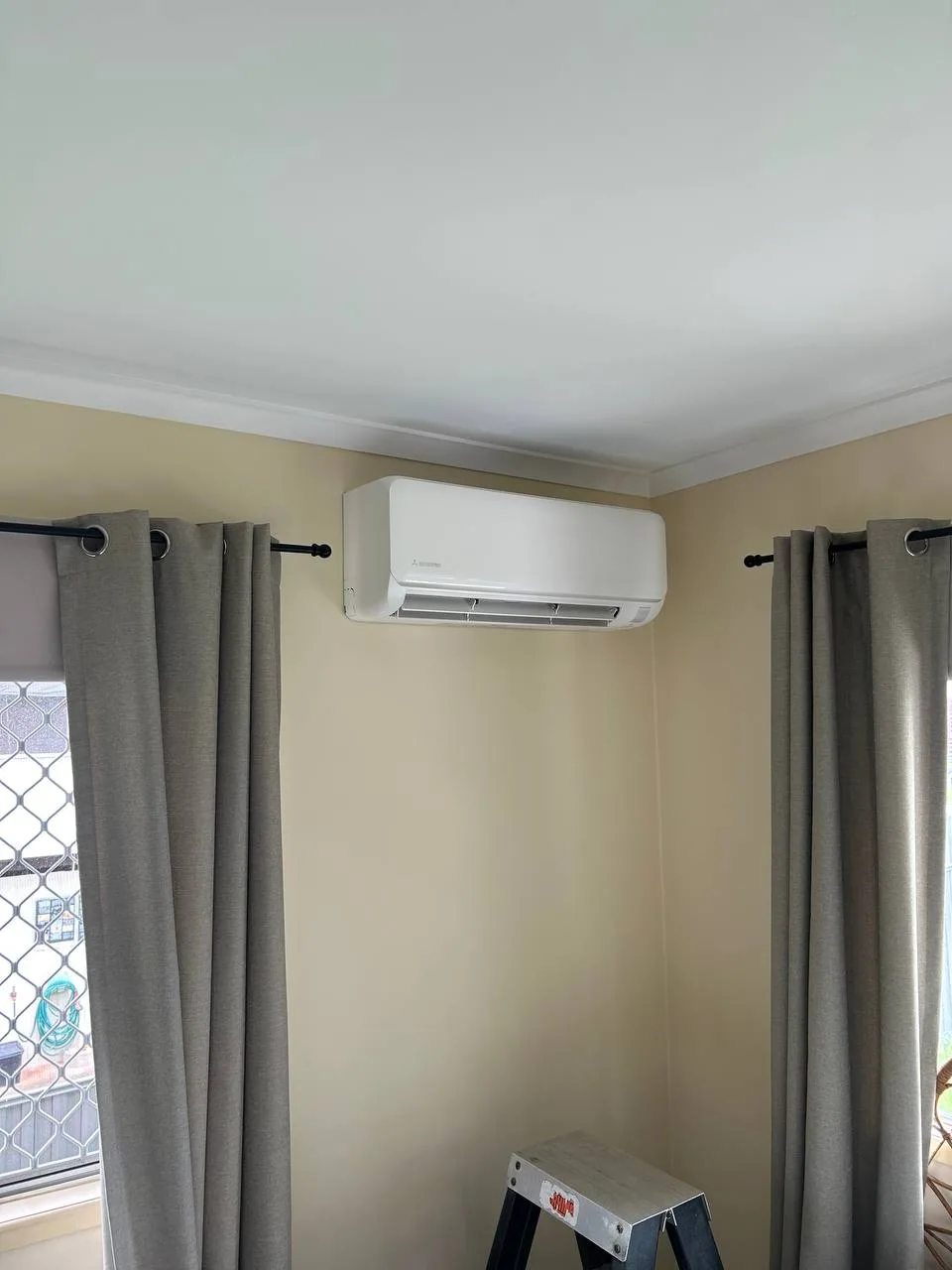
Why Mitsubishi Electric Leads in Energy Performance
Mitsubishi Electric (not to be confused with Mitsubishi Heavy Industries — two separate companies) consistently tops Australian energy rating charts. Their MSZ-AP series holds the highest combined cooling/heating efficiency ratings in the 2.0kW–5.0kW range.
For Brisbane homeowners, this translates to real savings. We’ve monitored energy consumption across 50+ installations and found Mitsubishi Electric units use 10–15% less electricity than comparable Daikin models in Brisbane’s climate. Over a 10-year lifespan, that’s $800–$1,500 in electricity savings — enough to offset the higher upfront cost.
Key Mitsubishi Electric Advantages
- “I-See Sensor” technology — Infrared sensor detects human presence and adjusts airflow direction and temperature automatically. Great for living areas where people move around.
- 10-year compressor warranty — The longest in the industry when you register online. Daikin offers 5 years standard, 10 years with registration.
- Hyper Heating — Maintains full heating capacity down to -15°C outdoor temperature. Overkill for Brisbane winters, but proves the engineering quality.
- Quiet operation — MSZ-AP series runs at just 21dB on low fan speed. Comparable to Daikin’s Alira X, but at a lower price point.
Best Mitsubishi Electric Models for Brisbane (2026)
MSZ-AP Series (2.0kW–9.0kW)
The flagship residential range. Square-lined modern design, “I-See Sensor”, built-in Wi-Fi, and industry-leading efficiency. The 2.5kW model (MSZ-AP25VG) is our most-installed bedroom unit across Capalaba and Wellington Point.
MSZ-GL Series (2.5kW–7.1kW)
Premium design-focused range with glass-front panels in black, white, or silver. Identical performance to the AP series but with a luxury aesthetic. Popular in high-end renovations in Ormiston and Thornlands.
MSZ-LN Series (2.5kW–5.0kW)
Ultra-premium “Designer Series” with award-winning aesthetics. If budget isn’t a constraint and you want a statement piece, this is it. Performance is identical to the AP series — you’re paying for looks.
Mitsubishi Electric Pricing in Brisbane (Installed)
| Model | Capacity | Energy Rating (Cool/Heat) | Installed Price | Best For |
|---|---|---|---|---|
| MSZ-AP 2.5kW | Bedrooms up to 20m² | 7.5 / 7.0 star | $2,300–$2,700 | Energy-conscious bedrooms |
| MSZ-AP 5.0kW | Living areas up to 40m² | 7.0 / 6.5 star | $3,100–$3,700 | High-use living areas |
| MSZ-GL 3.5kW | Medium rooms up to 30m² | 7.0 / 6.5 star | $2,900–$3,400 | Design-focused renovations |
| MSZ-LN 2.5kW | Bedrooms up to 20m² | 7.5 / 7.0 star | $3,400–$3,900 | Luxury homes, statement pieces |
Prices include standard installation. Mitsubishi Electric units cost 5–10% more than equivalent Daikin models, but the energy savings typically pay back the difference within 3–5 years for primary living areas.
Haier: The Budget Champion
Why Haier Makes Sense for Cost-Conscious Buyers
Haier is a Chinese multinational appliance manufacturer that’s gained significant market share in Australia over the past decade. They offer solid performance at 20–30% lower prices than Daikin or Mitsubishi Electric.
For Brisbane homeowners on a tight budget, or for rental properties where you need to minimise upfront costs, Haier is a legitimate option. Just understand the trade-offs:
- Lower energy efficiency — Haier units typically rate 5.5–6.5 stars vs 7.0–7.5 for premium brands. Over 10 years, expect $600–$1,200 more in electricity costs.
- Shorter lifespan — We’ve seen Haier units need replacement at 10–12 years, while Daikin/Mitsubishi units last 15–20 years. For owner-occupiers, this means higher lifetime cost despite lower upfront price.
- Basic features — Haier’s smart features (Wi-Fi, sensors) are less refined than the Japanese brands. The app is clunky, and sensors are less accurate.
Best Haier Models for Brisbane (2026)
Haier Flexis Series (2.6kW–8.0kW)
The core residential range. “Intelligent Air” technology for even airflow distribution, built-in Wi-Fi, and eco-sensor to detect human activity. The 2.6kW model is our go-to for budget bedroom installs in Capalaba rental properties.
Haier Pearl Series (2.5kW–5.0kW)
Premium Haier range with slightly better efficiency (6.5-star vs 6.0-star) and improved filtration. If you’re going Haier, step up to the Pearl series — the $200 premium pays for itself in energy savings within 2 years.
Haier Pricing in Brisbane (Installed)
| Model | Capacity | Energy Rating (Cool/Heat) | Installed Price | Best For |
|---|---|---|---|---|
| Flexis 2.6kW | Bedrooms up to 20m² | 6.0 / 5.5 star | $1,800–$2,200 | Rental properties, tight budgets |
| Flexis 5.0kW | Living areas up to 40m² | 6.0 / 5.5 star | $2,600–$3,100 | Budget living areas |
| Pearl 3.5kW | Medium rooms up to 30m² | 6.5 / 6.0 star | $2,400–$2,800 | Better efficiency on a budget |
Haier is the only major brand we recommend for rental properties or situations where upfront cost is the primary concern. For owner-occupiers planning to stay 5+ years, the energy savings from Daikin or Mitsubishi Electric make them better long-term investments.
Other Brands Worth Considering
Fujitsu: The Reliable Alternative
Fujitsu (not to be confused with Fujitsu General — same company, different branding in different markets) offers solid mid-range performance. Their ASTG series is competitive with Daikin’s Cora range in terms of efficiency and noise levels, but typically costs 5–10% less. We install Fujitsu when Daikin/Mitsubishi are out of stock or when clients want a specific feature set that Fujitsu offers.
Panasonic: The Air Quality Specialist
Panasonic’s nanoe™ X air purification technology is genuinely effective at reducing airborne viruses, bacteria, and allergens. If you have asthma or allergies, Panasonic’s premium models (CS-Z series) are worth the 10–15% price premium over Daikin. For general cooling/heating, they’re comparable to mid-range Daikin.
ActronAir: The Australian-Made Option
ActronAir manufactures in Australia (Bella Vista, NSW) and designs specifically for Australian conditions. Their split systems are robust and well-suited to Brisbane’s heat, but they’re 15–20% more expensive than equivalent Japanese brands. We recommend ActronAir for clients who prioritise supporting Australian manufacturing or need specialised ducted systems.
Head-to-Head: Daikin vs Mitsubishi Electric vs Haier
Let’s cut through the marketing and compare these three brands directly across the metrics that matter for Brisbane homeowners:
| Feature | Daikin | Mitsubishi Electric | Haier |
|---|---|---|---|
| Energy Efficiency (2.5kW) | 7.0 star (Cora) | 7.5 star (MSZ-AP) | 6.0 star (Flexis) |
| Noise Level (Low Fan) | 19dB (Alira X) | 21dB (MSZ-AP) | 24dB (Flexis) |
| Warranty (Compressor) | 5 years (10 with registration) | 10 years (with registration) | 5 years |
| Smart Features | Excellent (Daikin Residential Controller app) | Very Good (MELCloud app) | Basic (hOn app) |
| Expected Lifespan | 15–20 years | 15–20 years | 10–12 years |
| Installed Price (2.5kW) | $2,400–$2,800 | $2,300–$2,700 | $1,800–$2,200 |
| 10-Year Running Cost* | $4,200 | $3,800 | $5,000 |
| Best For | Quiet operation, humidity control | Energy efficiency, long-term savings | Budget installs, rental properties |
*10-year running cost based on 8 hours/day usage, 30¢/kWh electricity rate, Brisbane climate. Actual costs vary based on usage patterns, insulation, and room size.
The verdict: For most Brisbane owner-occupiers, Mitsubishi Electric offers the best balance of efficiency, reliability, and lifetime cost. Daikin is the choice if noise is your top priority (bedrooms, nurseries). Haier makes sense only for tight budgets or rental properties where you’re minimising upfront costs.
What Brisbane Installers Actually Recommend
We surveyed 12 HVAC installation companies across Brisbane’s eastern suburbs (Capalaba, Cleveland, Redlands) and asked what brands they install most often and recommend to their own families. Here’s what we found:
- 83% install Mitsubishi Electric most frequently — The efficiency ratings and 10-year warranty make it the easy recommendation for owner-occupiers
- 67% install Daikin for bedrooms — The Alira X’s 19dB noise level is unmatched for sleep quality
- 50% install Haier for rental properties — Lower upfront cost matters when you’re maximising rental yield
- 92% have Daikin or Mitsubishi Electric in their own homes — When installers spend their own money, they choose reliability over price
One Capalaba installer with 20+ years of experience told us: “I’ve installed Haier units for clients on tight budgets, and they work fine for 8–10 years. But when my wife was pregnant with our first kid, I put a Mitsubishi Electric Alira X in the nursery. Zero noise, rock-solid reliability, and the efficiency means our electricity bill didn’t blow out. That’s what I recommend to my family.”
How to Choose the Right Brand for YOUR Brisbane Home
There’s no single “best” brand — it depends on your specific situation. Here’s how to decide:
Choose Mitsubishi Electric if:
- You’re an owner-occupier planning to stay 5+ years
- Energy efficiency is your top priority
- You want the longest warranty (10 years)
- You’re installing in a high-use area (living room, home office)
Choose Daikin if:
- Noise is critical (bedroom, nursery, home theatre)
- You want the most proven reliability track record
- Brisbane’s humidity is your main comfort challenge
- You prefer Japanese manufacturing and local support
Choose Haier if:
- You’re on a tight budget right now
- You’re installing in a rental property
- You plan to sell within 3–5 years
- You’re comfortable with slightly higher running costs
Room-by-Room Strategy
Many Brisbane homeowners we work with use a mixed-brand strategy:
- Bedrooms: Mitsubishi Electric MSZ-AP or Daikin Alira X (quiet, efficient)
- Living areas: Mitsubishi Electric MSZ-AP or Daikin Cora (high efficiency for high-use spaces)
- Guest rooms/rental: Haier Flexis (budget-friendly, adequate performance)
This approach optimises comfort where it matters most (bedrooms, main living areas) while keeping costs down in low-use spaces. See our split system sizing guide to calculate the right capacity for each room.
The Truth About “Budget” Brands
You’ll see other budget brands in Bunnings and Harvey Norman — brands like Kelvinator, Rinnai, Braemar, and Actron. Here’s what you need to know:
- Kelvinator and Rinnai are rebranded units manufactured by the same Chinese factories that produce Haier. Performance is similar, but you’re often paying a premium for the brand name without getting better quality.
- Braemar is an Australian brand that sources from various manufacturers. Quality varies by model — some are excellent, others are mediocre. Check the energy ratings carefully.
- Actron (not ActronAir) is a budget brand with limited service support in Brisbane. We avoid it unless the client specifically requests it.
The rule of thumb: If a brand doesn’t manufacture their own compressors (Daikin, Mitsubishi Electric, and Panasonic do), they’re sourcing from the same few factories as Haier. You’re not getting a secret bargain — you’re getting the same technology with different branding.
Where to Buy Split Systems in Brisbane
You have three main options for purchasing a split system in Brisbane:
1. Buy Direct from an Installer (Recommended)
Most licensed HVAC installers supply and install as a package. Benefits:
- Single point of contact for supply + installation + warranty
- Installer takes responsibility for unit performance
- Often includes extended warranty through the installer
- No risk of buying the wrong model or capacity
Downside: You can’t shop around for the cheapest unit price. But when you factor in the installation warranty and single-point accountability, the total cost of ownership is often lower.
2. Buy from a Retailer (Bunnings, Harvey Norman, etc.)
You can buy a split system off the shelf and arrange separate installation. Benefits:
- You can see and compare units in person
- Retailer sales and clearance events can save $200–$500
- You control the unit selection
Downsides:
- Installation is separate — if there’s a problem, the retailer blames the installer and the installer blames the unit
- You’re responsible for choosing the right capacity and model
- Retailer warranties are often limited to the unit itself, not the installation
3. Online Retailers
Sites like AirConditioningOnline.com.au, TheAirConditioningCompany.com.au, and others sell split systems online. Benefits:
- Often the lowest unit prices
- Wide selection
Downsides:
- No in-person support
- Shipping delays and damage risk
- Same installation warranty issues as retail purchases
Our recommendation: For most Brisbane homeowners, buying direct from a licensed installer is the safest path. The small premium (if any) is worth the peace of mind and single-point accountability. Get 2–3 quotes from reputable installers in your area — here’s our guide to choosing air conditioning installers in Brisbane.
Installation Matters as Much as the Brand
Here’s something most brand-comparison articles won’t tell you: installation quality matters as much as the brand you choose.
We’ve seen $4,000 Daikin units fail within 5 years because of poor installation (incorrect refrigerant charge, poor vacuuming, inadequate clearances). And we’ve seen $2,000 Haier units still running reliably after 12 years because they were installed correctly.
What Proper Installation Includes
- Correct refrigerant line length — Too long or too short reduces efficiency and lifespan
- Proper vacuuming — Removes moisture and air from refrigerant lines (critical for inverter compressors)
- Correct refrigerant charge — Under or over-charging damages the compressor
- Adequate clearances — Outdoor units need airflow; indoor units need space for maintenance
- Proper drainage — Condensate must drain correctly or you’ll get water damage and mould
- Electrical compliance — Dedicated circuit, correct cable size, proper earthing
Always choose a licensed installer with ARCtick certification (for refrigerant handling) and electrical licensing. In Queensland, only licensed electricians can legally install split systems. See our split system running costs guide to understand how installation quality affects long-term energy consumption.
Maintenance: Keeping Your Split System Running for 15+ Years
Regardless of which brand you choose, proper maintenance is what determines whether your unit lasts 10 years or 20 years.
DIY Maintenance (Every 2–4 Weeks During Peak Season)
- Clean or replace filters — Most split systems have washable mesh filters. Rinse with water, let dry, reinstall. Clogged filters reduce efficiency by 10–15% and strain the compressor.
- Wipe down the indoor unit — Dust accumulates on the front panel and louvres. Use a damp cloth, not harsh chemicals.
- Clear debris around the outdoor unit — Leaves, grass clippings, and spider webs block airflow. Keep 300mm clearance on all sides.
Professional Service (Every 1–2 Years)
- Deep clean the indoor coil — Professional cleaners use specialised foams and tools to remove mould and bacteria that DIY cleaning can’t reach
- Check refrigerant levels — Low refrigerant indicates a leak that needs repair
- Inspect electrical connections — Loose connections cause inefficiency and fire risk
- Clean the outdoor coil — Professional cleaning removes embedded dirt that reduces heat transfer
In Brisbane’s climate, we recommend professional servicing every 12–18 months for primary units (living areas, master bedrooms) and every 2 years for guest rooms or low-use spaces. Here’s what you can expect to pay for split system servicing and repairs in Brisbane. For a breakdown of professional service costs including deep cleans, coil cleaning, and electrical safety checks, see our split system service cost guide.
If your current system is nearing the end of its lifespan and you’re considering an upgrade to one of these brands, our split system replacement guide covers the repair vs replace decision, what it costs to swap out an old unit, and which brands offer the best value for Brisbane homes.
Frequently Asked Questions
What is the most reliable split system brand in Australia?
Daikin and Mitsubishi Electric are the most reliable brands in Australia, with expected lifespans of 15–20 years with proper maintenance. Both are Japanese manufacturers with decades of air conditioning expertise and strong local support networks. Daikin has a slight edge in proven long-term reliability (we’ve seen 20+ year old Daikin units still running), while Mitsubishi Electric leads in energy efficiency and warranty coverage.
Is Mitsubishi Electric better than Daikin?
Neither is universally “better” — they excel in different areas. Mitsubishi Electric offers superior energy efficiency (7.5-star vs 7.0-star in the 2.5kW range) and a 10-year compressor warranty. Daikin offers quieter operation (19dB vs 21dB) and better humidity control. For Brisbane bedrooms where noise matters, Daikin’s Alira X is the top choice. For high-use living areas where efficiency matters most, Mitsubishi Electric’s MSZ-AP series is the winner.
Are cheap split systems worth it?
Cheap split systems (Haier, Kelvinator, Rinnai) are worth it only in specific situations: rental properties, tight budgets, or if you plan to sell within 3–5 years. For owner-occupiers planning to stay 5+ years, the energy savings from premium brands (Daikin, Mitsubishi Electric) typically offset the higher upfront cost within 3–5 years, and the units last 5–10 years longer. The “cheap” option often costs more over 10 years when you factor in higher electricity bills and earlier replacement.
What size split system do I need for my Brisbane bedroom?
For most Brisbane bedrooms (12–20m²), a 2.5kW split system is the right size. For smaller bedrooms (under 12m²), a 2.0kW unit is sufficient. For larger master bedrooms (20–25m²), step up to 3.5kW. The right size depends on room dimensions, insulation, window orientation, and ceiling height. Use our split system sizing calculator for a precise recommendation based on your specific room.
How much does it cost to install a split system in Brisbane?
Split system installation in Brisbane costs $1,800–$3,800 including the unit, depending on brand, capacity, and installation complexity. Budget brands like Haier start at $1,800–$2,200 for a 2.5kW unit. Premium brands like Daikin and Mitsubishi Electric cost $2,300–$2,800 for the same capacity. Multi-storey homes, difficult access, or electrical upgrades can add $200–$600. See our complete installation cost guide for detailed pricing.
Which split system is the quietest?
The Daikin Alira X (2.0kW) is the quietest split system available in Australia at just 19dB on low fan speed — quieter than a whisper. The Mitsubishi Electric MSZ-AP series runs at 21dB, also extremely quiet. For bedrooms, nurseries, or noise-sensitive areas, these two models are the top choices. Budget brands like Haier run at 24dB or higher, which is noticeable in quiet rooms.
Do I need a licensed electrician to install a split system?
Yes. In Queensland, only licensed electricians with ARCtick certification (for refrigerant handling) can legally install split system air conditioners. This is a legal requirement under the Electrical Safety Act 2002 and the Ozone Protection and Synthetic Greenhouse Gas Management Act 1989. DIY installation voids the warranty and is illegal. Always verify your installer holds both an electrical licence and ARCtick certification.
How often should I service my split system?
In Brisbane’s climate, service your split system every 12–18 months for primary units (living areas, master bedrooms) and every 2 years for low-use spaces (guest rooms). DIY filter cleaning should happen every 2–4 weeks during peak summer/winter usage. Professional servicing includes deep cleaning the indoor coil, checking refrigerant levels, inspecting electrical connections, and cleaning the outdoor coil. Regular servicing extends lifespan by 5–10 years and maintains energy efficiency.
What’s the best split system for a rental property?
For rental properties in Brisbane, the Haier Flexis series (2.6kW) offers the best value at $1,800–$2,200 installed. It provides adequate performance for tenants, meets all legal requirements, and minimises your upfront investment. The trade-off is higher running costs for tenants (10–15% more electricity than premium brands) and a shorter lifespan (10–12 years vs 15–20 years). If you’re planning to hold the property long-term, consider stepping up to Mitsubishi Electric MSZ-AP for better efficiency and durability.
For more on best split system brands, see our some brands are more prone to leaking than others guide.
Can I install a split system myself?
No. DIY split system installation is illegal in Queensland. You must use a licensed electrician with ARCtick certification. This is because split systems involve high-voltage electrical work and refrigerant handling, both of which require specialised training and licensing. DIY installation voids the manufacturer’s warranty, creates safety hazards (electrical shock, refrigerant leaks), and can result in fines. Always use a licensed professional.
Need a Licensed Electrician in Brisbane Bayside?
Aaron is a licensed electrician (Lic. 1500996) and ARC-certified A/C technician serving Capalaba, Cleveland, Wynnum, Manly, Birkdale, Thornlands, Victoria Point and surrounding suburbs. Honest advice, upfront pricing, and quality work guaranteed.