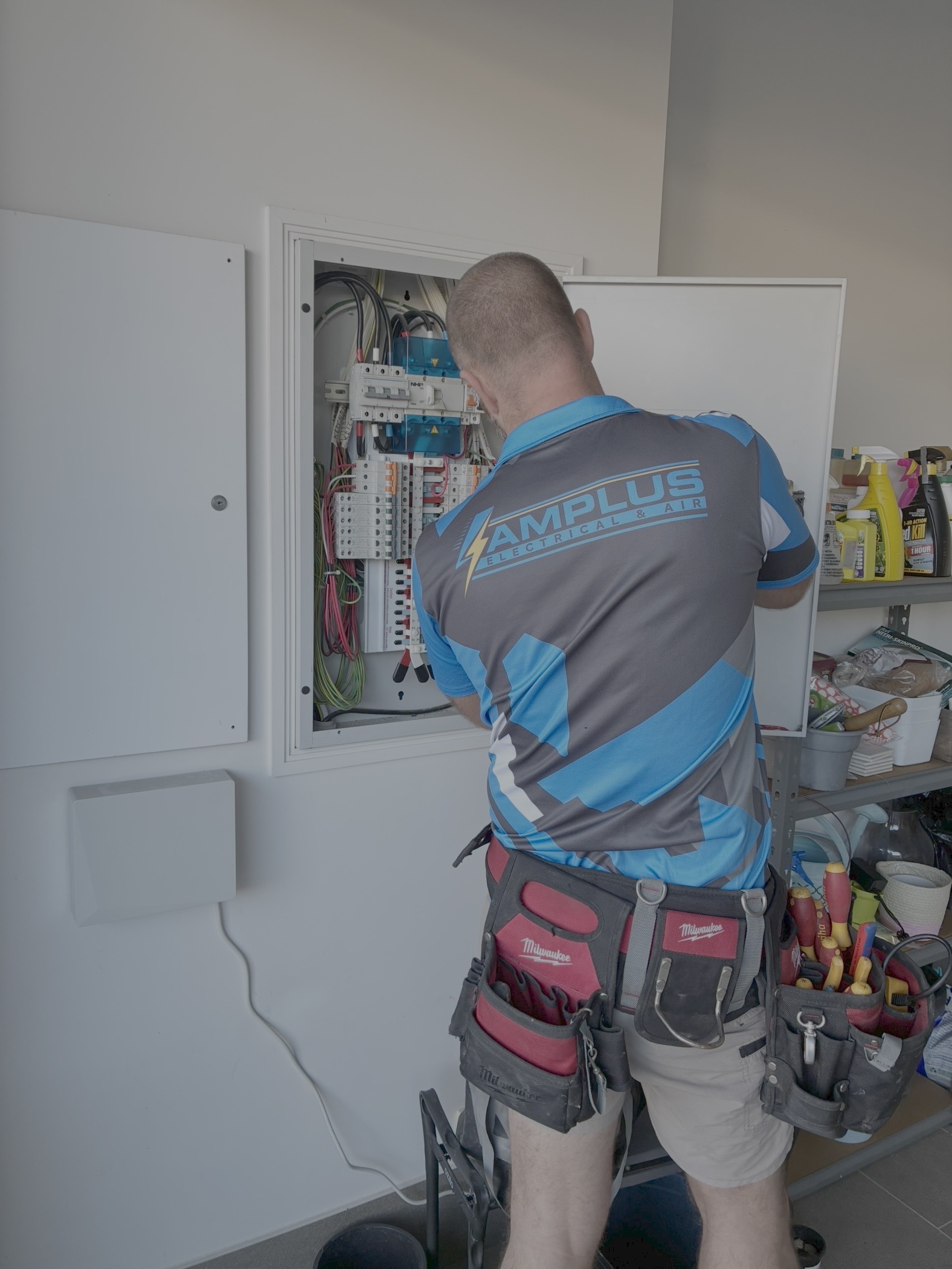
Old Fuse Box / Ceramic Fuses: Why Brisbane Homes Need an Upgrade (Safety Guide)
Old ceramic fuse boxes in Brisbane homes are a safety risk. Learn why they're dangerous, how much it costs to replace them, and what's involved in upgrading to a modern switchboard with circuit breakers and RCD protection.
Old ceramic fuse boxes in Brisbane homes are a safety risk. If your home was built before 1990 and still has ceramic fuses, you’re running electrical gear that’s 30–50 years out of date. No RCD protection. No circuit breakers. No way to handle modern loads like EV chargers, solar panels, or split-system air conditioners.
I’ve upgraded hundreds of old fuse boxes across Brisbane, Capalaba, Cleveland, and the Redlands. In this guide, I’ll show you exactly what ceramic fuses are, why they’re dangerous, how much it costs to replace them, and what’s involved in upgrading to a modern switchboard with circuit breakers and RCD protection.
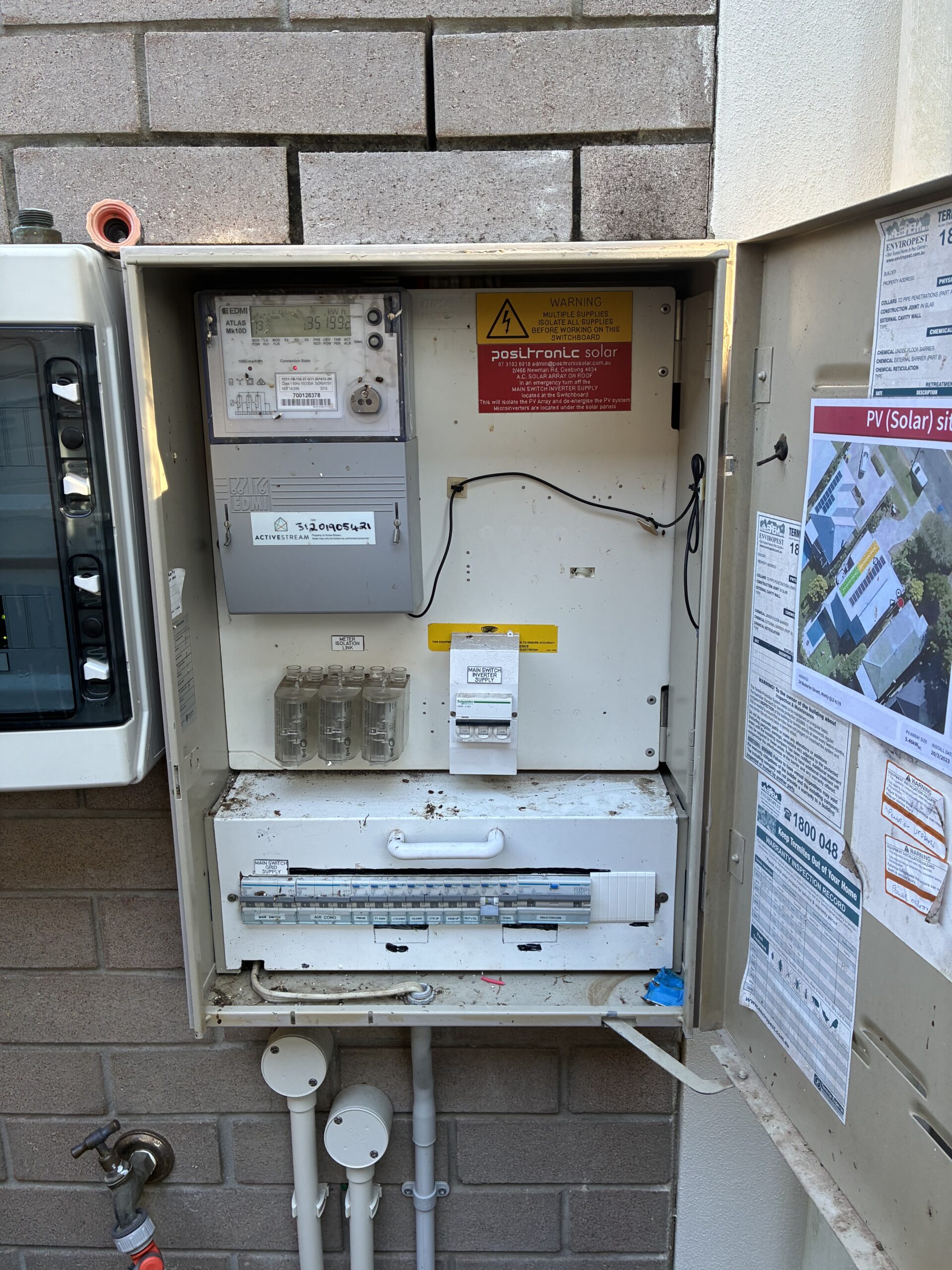
What Are Ceramic Fuses and Why Are They in Older Brisbane Homes?
Ceramic fuses (also called rewireable fuses or fuse wire fuses) were the standard protection device in Australian homes from the 1920s through to the 1980s. They consist of a ceramic base with a piece of fuse wire stretched between two terminals. When too much current flows through the circuit, the wire melts and breaks the circuit — theoretically protecting your home from electrical fires.
The problem: Ceramic fuses were designed for homes with maybe 2–3 circuits total: one for lights, one for power points, one for the stove. They weren’t built for today’s electrical loads — let alone EV chargers, solar inverters, ducted air conditioning, or the dozens of appliances running simultaneously in a modern home.
If your Brisbane home was built before 1990, there’s a good chance it still has ceramic fuses — or at least did until someone upgraded it. Common suburbs where I see them: Capalaba, Cleveland, Wynnum, Alexandra Hills, Birkdale, Victoria Point, and older parts of Redland Bay.
Why Ceramic Fuses Are Dangerous (and Outdated)
Ceramic fuses aren’t just old — they’re genuinely unsafe by modern standards. Here’s why:
1. No RCD Protection
Ceramic fuse boxes don’t have Residual Current Devices (RCDs) — also called safety switches. RCDs detect earth leakage (current escaping through a person or faulty appliance) and cut power in milliseconds. Without RCDs, a faulty appliance or damaged cable can electrocute you before the fuse blows.
Queensland law requires RCDs on all power circuits and lighting circuits in rental properties. If you’re a landlord with ceramic fuses, you’re non-compliant and at serious legal risk.
2. Fire Risk from Overheating
Ceramic fuses rely on fuse wire of the correct rating. But over the decades, homeowners and handymen have often “upgraded” by installing thicker wire — or worse, wrapping the fuse with aluminium foil or copper wire. This defeats the safety mechanism entirely.
When a circuit draws more current than the fuse wire is rated for, the wire should melt. But if someone’s installed 30A wire on a 15A circuit, the wire won’t melt until 30A — by which time your cables are overheating and could start a fire inside your walls.
3. No Overload Protection for Modern Loads
Ceramic fuses were designed for incandescent lights and maybe a TV. They weren’t designed for:
- EV chargers (continuous 32A draw for hours)
- Solar inverters (backfeeding current into your switchboard)
- Ducted air conditioning (high startup current)
- Induction cooktops (continuous 32A+ draw)
- Multiple high-wattage appliances running simultaneously
When you overload a ceramic fuse circuit, the fuse wire melts — but not before your cables have been stressed. Repeated overloading degrades cable insulation, increasing fire risk over time.
4. No Main Switch or Isolation
Many old ceramic fuse boxes don’t have a main switch to isolate all power at once. If there’s an electrical emergency — a fire, flood, or someone getting shocked — you can’t quickly cut all power. You’d have to pull each fuse individually, which is slow and dangerous.
Signs Your Brisbane Home Still Has Ceramic Fuses
Not sure if your home has ceramic fuses? Here’s what to look for:
- Your switchboard has ceramic bases with white or grey ceramic blocks and visible fuse wire stretched between terminals
- Your switchboard is made of wood or pressed fibreboard (modern boards are metal or plastic)
- There’s no main switch — just rows of ceramic fuses
- Your switchboard is labelled with old circuit descriptions like “light”, “power”, “stove” — but no RCDs or circuit breakers
- Your home was built before 1990 and the switchboard looks original
If any of these apply, your switchboard is outdated and likely non-compliant with current Australian Standards (AS/NZS 3000:2018).
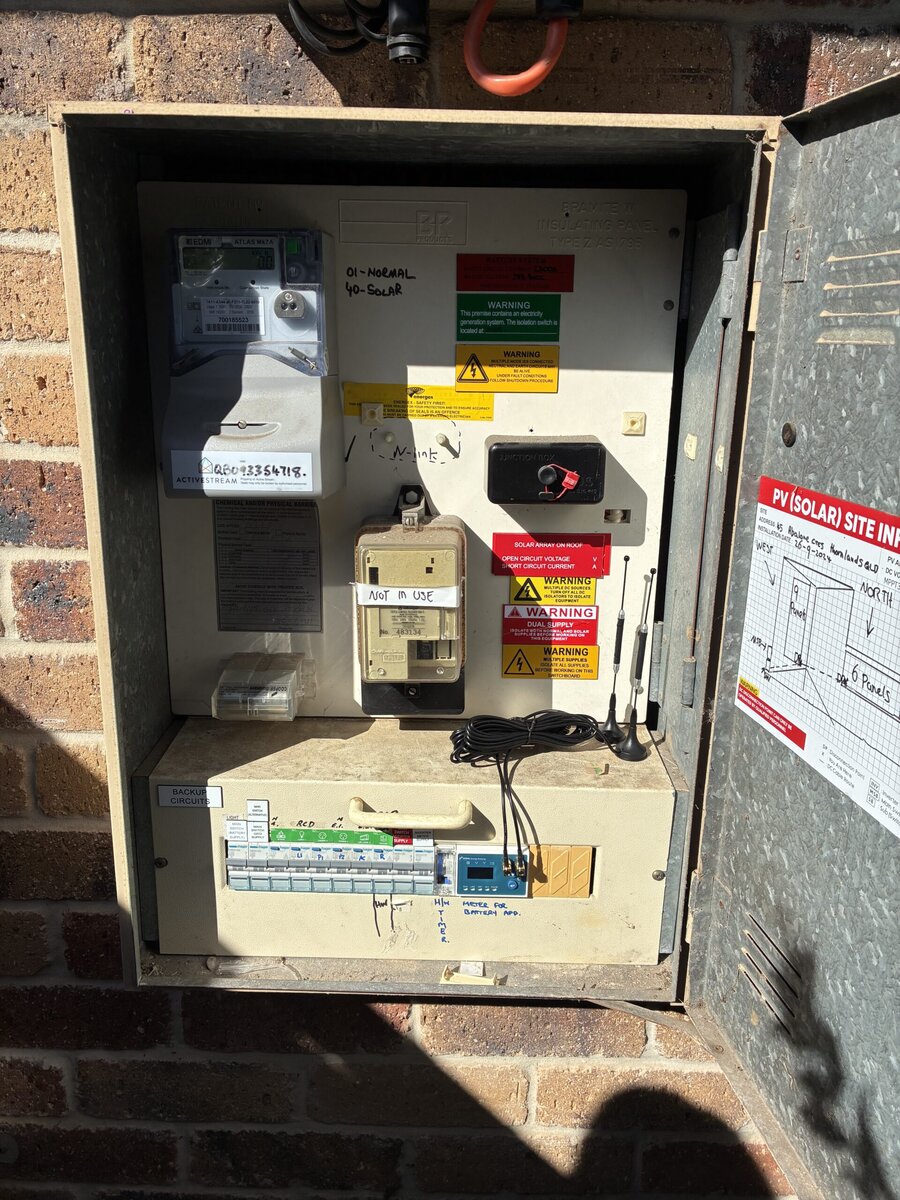
How Much Does It Cost to Replace Ceramic Fuses in Brisbane?
Replacing ceramic fuses with a modern switchboard typically costs $1,200–$2,500 in Brisbane, depending on the size of your home and the complexity of the upgrade.
What’s Included in the Cost
- New switchboard — metal or plastic enclosure with circuit breakers and RCDs
- Circuit breakers — one for each circuit (lights, power points, stove, air con, etc.)
- RCD protection — on all power and lighting circuits (legally required)
- Main switch — to isolate all power at once
- Earth upgrade — new earth rod and earth bonding
- Labour — removing old fuse box, installing new board, rewiring circuits if needed
- Compliance certificate — QLD electrical safety certificate (required for insurance and home sales)
Cost Factors
The final price depends on:
- Number of circuits — a 3-bedroom home might need 8–10 circuits; a larger home might need 15–20
- Switchboard location — if it’s in a tight space or needs relocation, labour costs increase
- Cable condition — if your existing cables are damaged or degraded, they may need replacing (adds $500–$1,500)
- Earth upgrade — most old homes need a new earth rod and earth bonding ($150–$300)
- Asbestos — if your switchboard is mounted on asbestos sheeting, it needs professional removal ($500–$1,500)
For a detailed breakdown, see our switchboard upgrade cost guide.
Legal Requirements: AS/NZS 3000 and Queensland Electrical Safety
Under Australian Standard AS/NZS 3000:2018 (the Wiring Rules), all new electrical installations must comply with current safety standards. This includes:
- RCD protection on all final subcircuits (power points, lighting, air conditioners)
- Circuit breakers rated for the cable size and load
- Main switch for isolation
- Proper earthing and earth bonding
- Labelled circuits in the switchboard
Ceramic fuse boxes don’t meet these requirements. If your switchboard is non-compliant, you’re at risk of:
- Insurance denial — most insurers won’t pay out for electrical fires if your switchboard is non-compliant
- Failed building inspections — if you’re selling your home, a non-compliant switchboard can delay or kill the sale
- Legal liability — if someone is injured or killed due to faulty electrical work, you could be held liable
For landlords, the situation is even more serious. Queensland tenancy law requires RCDs on all power and lighting circuits. If you’re renting out a property with ceramic fuses, you’re breaking the law.
External Resources:
- Electrical Safety Queensland — official government resource on electrical safety and compliance
- Electrical Safety Queensland — official government resource on electrical safety and compliance
- Standards Australia — AS/NZS 3000:2018 Wiring Rules
Can I Still Get an Electrical Safety Certificate with Ceramic Fuses?
No. A licensed electrician cannot issue an Electrical Safety Certificate for a switchboard with ceramic fuses. The certificate confirms the installation complies with AS/NZS 3000:2018 — and ceramic fuses don’t comply.
If you’re selling your home, the buyer’s inspector will flag the non-compliant switchboard. You’ll either need to upgrade before settlement or negotiate a price reduction to cover the cost.
If you’re adding a new circuit (for an EV charger, air conditioner, or solar inverter), your electrician can’t add it to a ceramic fuse box. The entire switchboard must be upgraded first.
Ceramic Fuses and Home Insurance: What You Need to Know
Most home insurance policies in Australia require your electrical installation to comply with current standards. If your switchboard has ceramic fuses, your insurer may:
- Refuse to pay out for electrical fires or damage
- Increase your premium or refuse to insure you altogether
- Require an upgrade as a condition of coverage
After a switchboard upgrade, your electrician will issue a compliance certificate. Send this to your insurer — it proves your switchboard is compliant and may reduce your premium.
Ceramic Fuses and Selling Your Home in Brisbane
If you’re selling a home with ceramic fuses, expect the buyer’s building inspector to flag it. Here’s what typically happens:
- Building inspection — the inspector notes the non-compliant switchboard in their report
- Buyer requests upgrade — the buyer asks you to upgrade the switchboard before settlement, or negotiates a price reduction
- Settlement delay — if you need time to arrange the upgrade, settlement may be delayed
- Failed sale — in some cases, the buyer walks away if the upgrade cost is too high
Upgrading your switchboard before listing your home avoids these issues. It also makes your home more attractive to buyers, who won’t have to worry about the cost and hassle of an upgrade themselves.
For a full checklist, see our electrical compliance checklist for QLD rental properties.
Ceramic Fuses and EV Charger Installation
If you’re thinking about installing an EV charger, you’ll need a switchboard upgrade first if you have ceramic fuses. EV chargers require a dedicated 32A circuit with RCD protection — something a ceramic fuse box can’t provide.
The cost of an EV charger installation includes the switchboard upgrade, so budget $2,600–$4,700 total ($1,200–$2,500 for the switchboard + $1,400–$2,200 for the charger).
For a detailed breakdown, see our switchboard upgrade guide for EV chargers and our EV charger installation cost guide.
Ceramic Fuses and Solar Panel Installation
Same story for solar panels. Solar inverters feed current back into your switchboard, which requires proper circuit breakers and RCD protection. You can’t connect solar to a ceramic fuse box.
If you’re planning to install solar, budget for a switchboard upgrade at the same time. Most solar installers will include this in their quote, or you can arrange it separately with an electrician.
Ceramic Fuses and Air Conditioning Installation
Ducted air conditioners and large split systems draw significant current — often 20–30A. Ceramic fuse boxes aren’t designed for these loads. If you’re installing a new air conditioner, your electrician will likely recommend a switchboard upgrade first.
For a detailed guide, see our switchboard upgrade guide for Brisbane homes.
How Long Does a Ceramic Fuse Box Upgrade Take?
A typical switchboard upgrade from ceramic fuses to a modern board with circuit breakers and RCDs takes 1–2 days for a licensed electrician. Here’s the process:
- Day 1 morning: Isolate power, remove old ceramic fuse box, install new switchboard enclosure
- Day 1 afternoon: Install circuit breakers and RCDs, connect circuits, install main switch and earth
- Day 2 (if needed): Test all circuits, label switchboard, issue compliance certificate
For most homes, the upgrade can be completed in a single day. Larger homes or homes with complex wiring may take two days.
Can I Upgrade My Ceramic Fuse Box Myself?
No. Under Queensland law, only a licensed electrician can work on your switchboard. DIY switchboard work is illegal and creates serious safety risks:
- Electrocution risk — working on a live switchboard is extremely dangerous
- Fire risk — incorrect wiring can cause electrical fires
- Legal liability — if someone is injured or killed, you could be prosecuted
- Insurance denial — your insurer won’t pay out for DIY electrical work
- No compliance certificate — you can’t legally sell your home or rent it out without one
Always use a licensed electrician for switchboard upgrades. It’s not worth the risk.
For more details, see our guide on electrical safety for rental properties.
For more details, see our guide on switchboard upgrade before selling.
Frequently Asked Questions
How much does it cost to replace ceramic fuses in Brisbane?
Replacing ceramic fuses with a modern switchboard typically costs $1,200–$2,500 in Brisbane. This includes a new switchboard enclosure, circuit breakers, RCD protection, main switch, earth upgrade, labour, and compliance certificate. The final cost depends on the number of circuits, switchboard location, and whether your cables need replacing.
Are ceramic fuses safe?
No. Ceramic fuses are outdated and unsafe by modern standards. They don’t have RCD protection, which means they can’t protect you from electrocution. They’re also prone to overheating and fire if the wrong fuse wire is installed. Most insurance companies won’t cover homes with ceramic fuses.
Can I sell my house with ceramic fuses?
Yes, but the buyer’s building inspector will flag the non-compliant switchboard. You’ll likely need to upgrade before settlement, or negotiate a price reduction to cover the cost. Upgrading before listing your home avoids delays and makes your property more attractive to buyers.
Do I need to upgrade my switchboard for an EV charger?
Yes. EV chargers require a dedicated 32A circuit with RCD protection. Ceramic fuse boxes can’t provide this, so you’ll need a switchboard upgrade first. Budget $1,200–$2,500 for the upgrade plus $1,400–$2,200 for the charger installation.
Do I need to upgrade my switchboard for solar panels?
Yes. Solar inverters feed current back into your switchboard, which requires proper circuit breakers and RCD protection. You can’t connect solar panels to a ceramic fuse box. Budget for a switchboard upgrade at the same time as your solar installation.
How long does a switchboard upgrade take?
A typical switchboard upgrade from ceramic fuses to a modern board takes 1–2 days. Most homes can be completed in a single day. Larger homes or homes with complex wiring may take two days.
Can I upgrade my switchboard myself?
No. Under Queensland law, only a licensed electrician can work on your switchboard. DIY switchboard work is illegal and creates serious safety risks including electrocution, fire, and legal liability.
Will my insurance cover my home if I have ceramic fuses?
Most insurance companies won’t cover homes with ceramic fuses, or will refuse to pay out for electrical fires. After a switchboard upgrade, your electrician will issue a compliance certificate. Send this to your insurer to prove your switchboard is compliant.
Do landlords need to upgrade ceramic fuses?
Yes. Queensland tenancy law requires RCDs on all power and lighting circuits in rental properties. If you’re renting out a property with ceramic fuses, you’re breaking the law and at serious legal risk.
What’s the difference between ceramic fuses and circuit breakers?
Ceramic fuses use a piece of fuse wire that melts when too much current flows. Circuit breakers are mechanical switches that trip when too much current flows. Circuit breakers are safer, more reliable, and can be reset after tripping — unlike fuses, which need to be replaced.
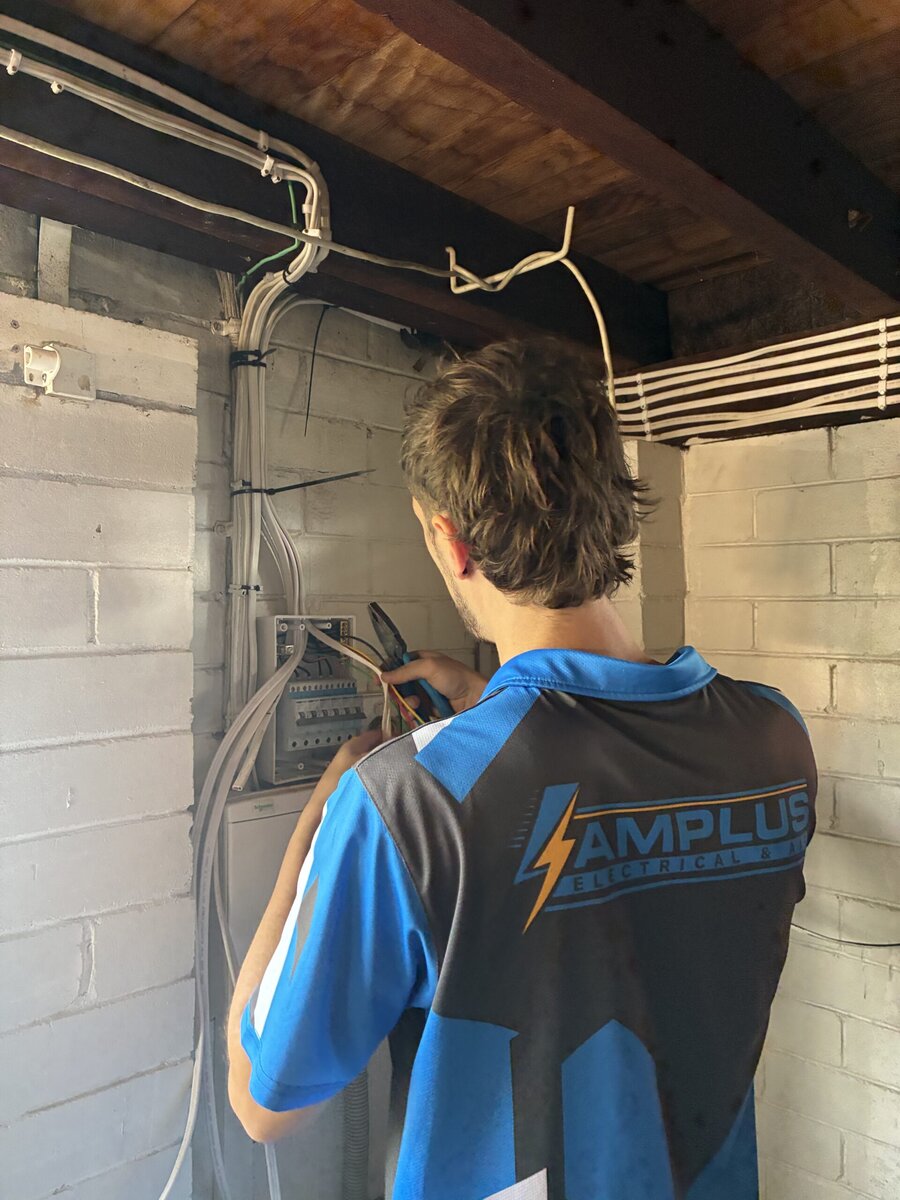
Get a Quote for Your Ceramic Fuse Box Upgrade
If your Brisbane home still has ceramic fuses, it’s time to upgrade. A modern switchboard with circuit breakers and RCD protection is safer, compliant with current standards, and ready for EV chargers, solar panels, and air conditioning.
I’ll come out, assess your switchboard, and give you an upfront quote — no call-out fees, no hidden costs. All upgrades come with a QLD electrical safety certificate.
For a comprehensive electrical safety inspection at $199, see our electrical safety inspection cost guide.
📋 Request a Quote · 📞 Call Aaron 0419 014 146
Aaron is a licensed electrician (Lic. 1500996) and ARC-certified air conditioning technician (ARC Lic. L183747) at Amplus Electrical & Air, serving Capalaba, Cleveland, Victoria Point, Wynnum, the Redlands and Brisbane’s Bayside. Upfront pricing, no call-out fees, all work comes with a QLD electrical safety certificate.
Need a Licensed Electrician in Brisbane Bayside?
Aaron is a licensed electrician (Lic. 1500996) and ARC-certified A/C technician serving Capalaba, Cleveland, Wynnum, Manly, Birkdale, Thornlands, Victoria Point and surrounding suburbs. Honest advice, upfront pricing, and quality work guaranteed.