Landlord Electrical Compliance Checklist for QLD Rental Properties
QLD landlord electrical compliance — the full checklist. Smoke alarms, RCDs, switchboards and what you legally must have before tenants move in.
If you own a rental property in Queensland, your compliance checklist starts with three non-negotiables: compliant smoke alarms, working safety switches, and a safe switchboard. Getting any of them wrong doesn’t just mean fines — it can mean insurance issues, tenancy disputes, and personal liability if a tenant is injured.
For guidance on electrical safety and emergency guide, see our comprehensive electrical emergency guide.
The problem is that many landlords aren’t sure exactly what’s required. Rules have changed over the past few years, and what was compliant five years ago may not be compliant today. If you’re buying an investment property, our pre-purchase electrical inspection checklist helps you identify compliance issues before settlement.
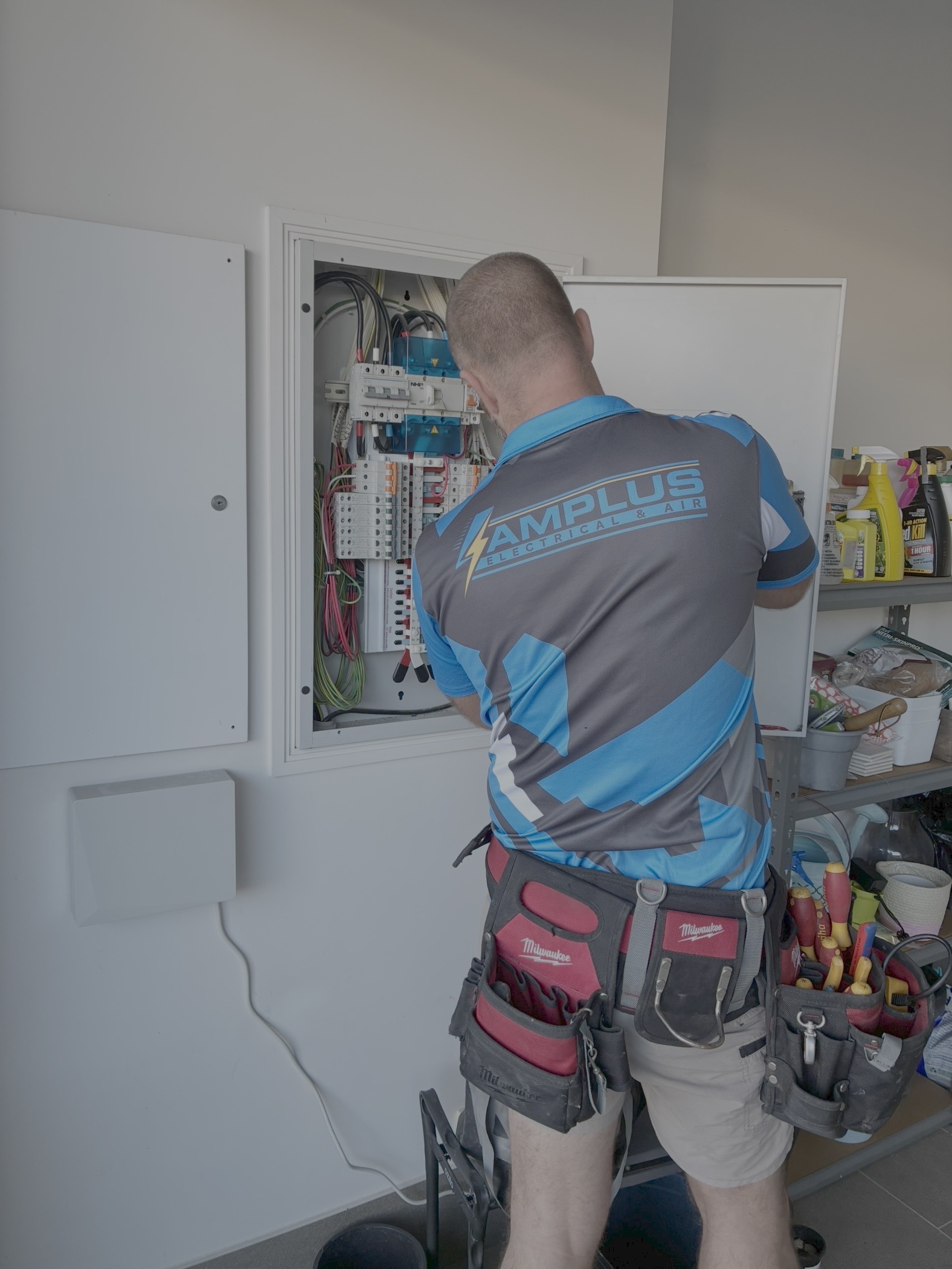
Here’s a practical, item-by-item checklist to make sure your investment property meets every electrical requirement — from a licensed Capalaba electrician who handles landlord compliance work every week.
1. Smoke Alarm Compliance — The Non-Negotiable
This is the most urgent item on the list. Since January 2022, all Queensland rental properties must have compliant smoke alarms. There are no extensions and no excuses — this deadline has already passed.
Your rental property must have:
- Photoelectric smoke alarms only — ionisation alarms don’t meet the standard
- All alarms interconnected — when one triggers, all must sound throughout the home
- Alarms in every bedroom and in hallways connecting bedrooms to living areas
- At least one alarm on every level of the dwelling
- Hardwired with battery backup, or sealed 10-year lithium battery — replaceable 9V batteries don’t meet the standard
Your responsibility as the owner: Installation and maintenance of compliant alarms sits with the property owner — not the tenant or property manager. You need a compliance certificate on file. If tenants report beeping alarms, our guide to smoke alarm beeping explains what each chirp means and how to resolve it quickly.
For full details on what’s required and what it costs, see our guides to Queensland smoke alarm legislation, smoke alarm installation costs, and our guide to finding a smoke alarm installer in Brisbane.
2. Safety Switches (RCDs) on All Circuits
Queensland law requires safety switches on all power point circuits in rental properties. Best practice — and increasingly expected by insurers — is to have safety switches on all circuits, including lighting.
Your checklist:
- ☐ Safety switches installed on all power circuits
- ☐ Safety switches installed on lighting circuits (strongly recommended)
- ☐ All switches pass a push-button test (trip immediately when test button is pressed)
- ☐ Professional RCD testing within the last 1-2 years
- ☐ Test records documented and filed
If your rental property was built before 1992, it may not have safety switches at all. This means your tenants have zero protection against electric shock on those circuits. As the owner, you carry personal liability for this gap.
3. Switchboard Condition
Your switchboard is the control centre of the property’s electrical system. An outdated or damaged switchboard is both a safety risk and a compliance risk.
Your checklist:
- ☐ Modern circuit breakers installed (not ceramic fuses)
- ☐ All circuits clearly labelled
- ☐ No signs of overheating, discolouration, scorch marks, or damage
- ☐ A main switch that can isolate all power
- ☐ Adequate capacity for the property’s electrical demand (air con, hot water, appliances)
- ☐ No buzzing, crackling, or humming sounds
If your rental still has an old switchboard with ceramic fuses, a switchboard upgrade should be a priority. Beyond compliance, it significantly reduces your liability exposure. For common warning signs, see our guide to signs your switchboard needs replacing.
For homes still running old ceramic fuses, our ceramic fuse box upgrade guide covers safety risks, compliance issues, and replacement costs across Brisbane.
4. General Electrical Safety — Duty of Care
While Queensland doesn’t mandate routine electrical inspections for rental properties (unlike some other states), landlords have a general duty of care under the Residential Tenancies and Rooming Accommodation Act 2008. This means the property must be safe and maintained.
Your checklist:
- ☐ No exposed wiring or damaged power points
- ☐ All light fittings in working order and properly installed
- ☐ Outdoor electrical installations are weatherproof
- ☐ Any electrical issues reported by tenants are addressed promptly by a licensed electrician
- ☐ All electrical work has been performed by a licensed professional
- ☐ Certificates of compliance are on file for all electrical work
The standard is simple: if a tenant can reasonably argue that an electrical hazard existed and you knew (or should have known) about it, you’re liable. Proactive inspections and prompt repairs protect you.
5. Air Conditioning — Maintenance Obligations
If your rental property has air conditioning, you’re responsible for keeping it in working order. A broken AC in a Brisbane summer isn’t just uncomfortable — it can trigger a breach of tenancy claim.
When it comes time to install or replace a rental property’s air conditioning, make sure your installer holds both a Queensland electrical licence and an ARCtick refrigerant licence — our guide to finding a licensed Brisbane AC installer covers exactly what to check before you book.
Your checklist:
- ☐ Annual or bi-annual professional servicing
- ☐ Filters cleaned regularly (can be specified as a tenant responsibility in the lease)
- ☐ Refrigerant handling done only by an ARC-licensed technician (this is a legal requirement)
- ☐ System operating efficiently — no unusual noises, smells, or performance issues
- ☐ Service records documented and filed
A well-maintained system is more efficient, lasts longer, and keeps tenants happier — which means fewer complaints and longer tenancies. For installation or replacement options, see our air conditioning services.
6. Electrical Work Documentation
Good records are your best defence if there’s ever a dispute, insurance claim, or compliance audit. Keep copies of everything:
| Document | Why You Need It | How Long to Keep |
|---|---|---|
| Smoke alarm compliance certificate | Proves alarms meet QLD requirements | Permanently (or until next upgrade) |
| Certificates of compliance for electrical work | Proves work done by licensed electrician | Permanently |
| Safety switch test results | Proves switches are maintained | Keep last 5 years minimum |
| Air conditioning service records | Proves maintenance obligations met | Keep last 5 years minimum |
| Tenant electrical issue reports + resolution | Proves prompt response to hazards | Duration of tenancy + 3 years |
Store copies digitally and give your property manager access. If a dispute arises years later, you need to be able to produce these records.
7. Pool and Outdoor Electrical Safety
If your rental has a pool, spa, or significant outdoor lighting, there are additional electrical safety requirements:
- ☐ Pool equipment circuits have dedicated safety switches
- ☐ All outdoor power points have weatherproof covers
- ☐ Pool pump and chlorinator wiring is intact and properly enclosed
- ☐ Outdoor lighting is rated for external use and correctly installed
- ☐ No electrical equipment within the pool barrier zone unless specifically designed for it
Pool electrical safety is particularly important because water and electricity are a lethal combination. If in doubt, have a licensed electrician inspect the installation.
What Happens If You’re Not Compliant?
The consequences of non-compliance range from inconvenient to devastating:
- Fines. Queensland’s smoke alarm legislation carries penalties for non-compliance. The Residential Tenancies Authority (RTA) can issue infringement notices.
- Insurance rejection. If an electrical fire or incident occurs and your property isn’t compliant, your insurer may reduce or reject the claim entirely.
- Personal liability. If a tenant is injured due to a known (or reasonably foreseeable) electrical hazard, you carry personal liability. This goes beyond the property — it can affect your personal assets.
- Breach of tenancy. Tenants can claim a breach if the property isn’t maintained to a safe standard. This can lead to compensation claims and tenancy disputes.
- Sale complications. Non-compliant properties create issues during pre-purchase inspections. Buyers negotiate harder or walk away.
The cost of full compliance is typically $500–$3,000 depending on what’s needed. That’s a fraction of what any of the above consequences would cost.
Cost Guide — Getting Your Rental Property Compliant
| Service | Typical Cost |
|---|---|
| Smoke alarm compliance (3-bed home, wireless) | $400 – $650 |
| Safety switch installation (all circuits) | $400 – $800 |
| Switchboard upgrade | $800 – $2,000 |
| Full electrical safety inspection | $150 – $300 |
| Air conditioning service | $120 – $250 |
Most of these costs are tax-deductible for investment properties. Speak to your accountant about claiming electrical compliance work as a repair and maintenance expense. If you’re budgeting multiple items at once, it also helps to compare the likely spend on smoke alarm compliance, switchboard replacement, and safety switch upgrades before tenants change over. If you provide cooling for tenants, it is also worth knowing how much ceiling fan installation costs across the Redlands.
The Smart Landlord Approach — Bundle Everything
The most cost-effective approach is to address everything in one visit. Rather than calling an electrician three separate times for smoke alarms, safety switches, and switchboard issues, bundle the work together. You save on call-out fees and get everything done at once.
If your property also needs ceiling fan installation, LED lighting upgrades, or exhaust fan replacement, these can all be done in the same visit.
Electrical Safety Certificate Requirements for Rental Properties
Every electrical job completed on your rental property must come with a Certificate of Compliance. This isn’t optional paperwork — it’s your legal protection and proof that the work meets Queensland safety standards.
What the Certificate Covers
A Certificate of Compliance confirms that all electrical work has been tested and meets the requirements of AS/NZS 3000 (Wiring Rules). It includes details about the work performed, the materials used, test results, and the licensed electrician’s details. Keep these certificates with your property records — you’ll need them if you sell the property or if there’s ever an insurance claim.
When You Need Multiple Certificates
If you’re doing a major renovation that involves multiple stages of electrical work — like adding a new room, upgrading the switchboard, and installing new air conditioning — each stage should generate its own certificate. Don’t let your electrician combine everything into one certificate at the end. Separate certificates give you clearer documentation and make it easier to track what was done and when.
How Long to Keep Certificates
Keep all electrical compliance certificates for the entire time you own the property, plus at least 7 years after you sell it. These documents prove that work was done properly and can protect you from liability claims. Store them digitally and physically — if your property manager changes or you lose access to old emails, you don’t want to lose this documentation.
Energy Efficiency Upgrades That Pay for Themselves
As a landlord, you’re entitled to claim tax deductions for repairs and maintenance, including energy efficiency upgrades. Some upgrades pay for themselves through reduced electricity bills and make your property more attractive to tenants.
LED Lighting Throughout the Property
If your rental still has halogen downlights or older fluorescent fittings, upgrading to LED is one of the highest-return investments you can make. LED downlights use 85% less energy than halogens and last 15-20 years. For a typical 3-bedroom home, the upgrade costs $1,500-$2,500 and reduces lighting electricity costs by $300-$500 per year. Tenants notice the difference in light quality and lower bills, making your property more competitive.
Smart Switches and Timers
Installing smart switches for common areas, outdoor lighting, and hot water systems can reduce energy waste significantly. Tenants can control lighting via phone apps or set schedules for outdoor lights. For hot water systems, timers ensure the system only heats during off-peak periods, reducing electricity costs by 30-40%. These switches cost $150-$300 each installed and are fully tax-deductible.
Ceiling Insulation Checks
While not strictly electrical, ceiling insulation affects your air conditioning efficiency. If your rental property has older insulation that’s compressed, damaged, or missing, upgrading it reduces the load on your air conditioning system. This means lower electricity bills for tenants and less wear on the equipment. Combine insulation upgrades with any electrical work that requires roof access to save on labour costs.
Preparing for Electrical Inspections
Regular electrical inspections are mandatory for rental properties in Queensland. Being prepared makes the process smoother and helps you address issues before they become compliance problems.
What the Inspector Checks
An electrical inspection covers the switchboard condition, RCD (safety switch) operation, wiring integrity, smoke alarm compliance, and the general safety of all electrical installations. The inspector will test every power point, check for proper earthing, and verify that all circuits are correctly labelled. They’ll also look for signs of DIY electrical work, which is a major red flag.
Documentation to Have Ready
Gather all previous electrical certificates, smoke alarm compliance records, and any documentation about the property’s electrical history. If you’ve had work done by different electricians over the years, having this paperwork shows that maintenance has been proactive rather than reactive. It also helps the inspector understand the property’s electrical evolution.
Common Issues That Fail Inspection
The most common failures include missing or non-functional RCDs, unlabeled circuits in the switchboard, DIY wiring that doesn’t meet standards, smoke alarms past their 10-year expiry, and damaged power points or switches. Address these before the inspection to avoid costly re-inspection fees and compliance orders.
For more details, see our guide on landlord electrical obligations QLD.
For more details, see our guide on electrical compliance when selling.
Frequently Asked Questions
Am I liable if a tenant gets an electric shock?
If the shock resulted from a hazard you knew about (or should have known about), yes. This is why proactive inspections and prompt response to tenant reports are critical. Maintaining compliant safety switches is your primary defence against shock liability.
Can I do minor electrical work on my rental property myself?
No. All electrical work in Queensland — including replacing power points, light switches, and ceiling fans — must be performed by a licensed electrician. As a landlord, you also need a Certificate of Compliance for any work done.
How often should I have a rental property electrically inspected?
While not legally mandated, we recommend a full electrical safety inspection every 3-5 years, plus safety switch testing every 1-2 years. Between tenancies is an ideal time to schedule an inspection.
Are smoke alarm costs tax-deductible for rental properties?
Yes. Smoke alarm installation, maintenance, and compliance costs are generally deductible as a repair and maintenance expense for investment properties. The same applies to safety switch installation and switchboard upgrades. Always confirm with your accountant.
What if my property manager handles everything?
Property managers coordinate maintenance, but the legal responsibility for compliance rests with you as the owner. Make sure your property manager understands your obligations and has a process for ensuring compliance. Request copies of all compliance certificates and test records.
Can I claim a switchboard upgrade on tax?
A switchboard upgrade for a rental property is typically deductible. If it’s a repair or replacement of an existing board, it’s generally an immediate deduction. If it’s a new or improved asset, it may need to be depreciated over time. Your accountant can advise on your specific situation.
Do I need an emergency electrician on call?
Having a reliable emergency electrician available is good practice. Electrical emergencies — burning smells, sparking outlets, total power loss — need immediate attention. Delays can escalate the hazard and increase your liability.
What’s the penalty for non-compliant smoke alarms in a rental?
Queensland’s penalties for non-compliant smoke alarms in rental properties can be significant. Beyond fines, the real risk is personal liability if a tenant is harmed in a fire and your alarms weren’t compliant. The cost of compliance ($400–$650 for most homes) is negligible compared to the potential consequences.
Get Your Rental Property Fully Compliant
The simplest approach is to book one comprehensive inspection. A licensed electrician can check everything — smoke alarms, safety switches, switchboard, wiring, and general safety — and give you a clear path to full compliance in one visit.
Amplus Electrical & Air provides landlord compliance services across Capalaba, Alexandra Hills, Cleveland, Thornlands, Wellington Point, Birkdale, Victoria Point, Ormiston, Wynnum, Manly, and surrounding Bayside suburbs.
Aaron is a fully licensed Queensland electrician (Lic. #1500996) and ARCtick-certified air conditioning technician (ARC Lic. #L183747). He can handle your smoke alarms, safety switches, switchboard, and air conditioning in one visit — saving you time and call-out fees.
📞 Call Aaron: 0419 014 146
📅 Book a rental compliance inspection online
Need a Licensed Electrician in Brisbane Bayside?
Aaron is a licensed electrician (Lic. 1500996) and ARC-certified A/C technician serving Capalaba, Cleveland, Wynnum, Manly, Birkdale, Thornlands, Victoria Point and surrounding suburbs. Honest advice, upfront pricing, and quality work guaranteed.