Selling a House in Brisbane: Electrical Compliance Checklist (2026 Guide)
Complete electrical compliance checklist for selling a house in Brisbane. What you need, when to do it, and how much it costs. Avoid settlement delays.
Selling a house in Brisbane? Electrical compliance is one of the most overlooked — and most expensive — surprises that can derail your sale. Get it wrong and you’re looking at delayed settlements, price negotiations, or even a collapsed deal.
I’m Aaron, a licensed electrician in Brisbane. I’ve helped hundreds of sellers get their properties compliant before settlement across Capalaba, Cleveland, Redlands, and greater Brisbane. In this guide, I’ll walk you through exactly what you need to do, when to do it, and how much it costs.
External Resources:
- Queensland Government Housing — property sale and compliance information
- Residential Tenancies Authority (RTA) — tenancy law and dispute resolution
- Queensland Civil and Administrative Tribunal (QCAT) — dispute resolution and enforcement
What Electrical Compliance Do You Need When Selling a House in Brisbane?
When you sell a property in Queensland, you’re legally required to provide the buyer with certain electrical compliance documentation. This isn’t optional — it’s a condition of sale.
The key requirements include:
- Electrical safety certificate — confirms the property’s electrical installations are safe and compliant
- Smoke alarm compliance — all smoke alarms must be photoelectric, interconnected, and less than 10 years old
- Safety switches (RCDs) — required on all power and lighting circuits for properties built before 2000
- Switchboard compliance — must meet current safety standards (no ceramic fuses, proper circuit breakers)
The critical point: These requirements apply whether you’re selling a house, townhouse, or apartment. Even if the property has been compliant for years, you need current documentation.
What Is an Electrical Safety Certificate?
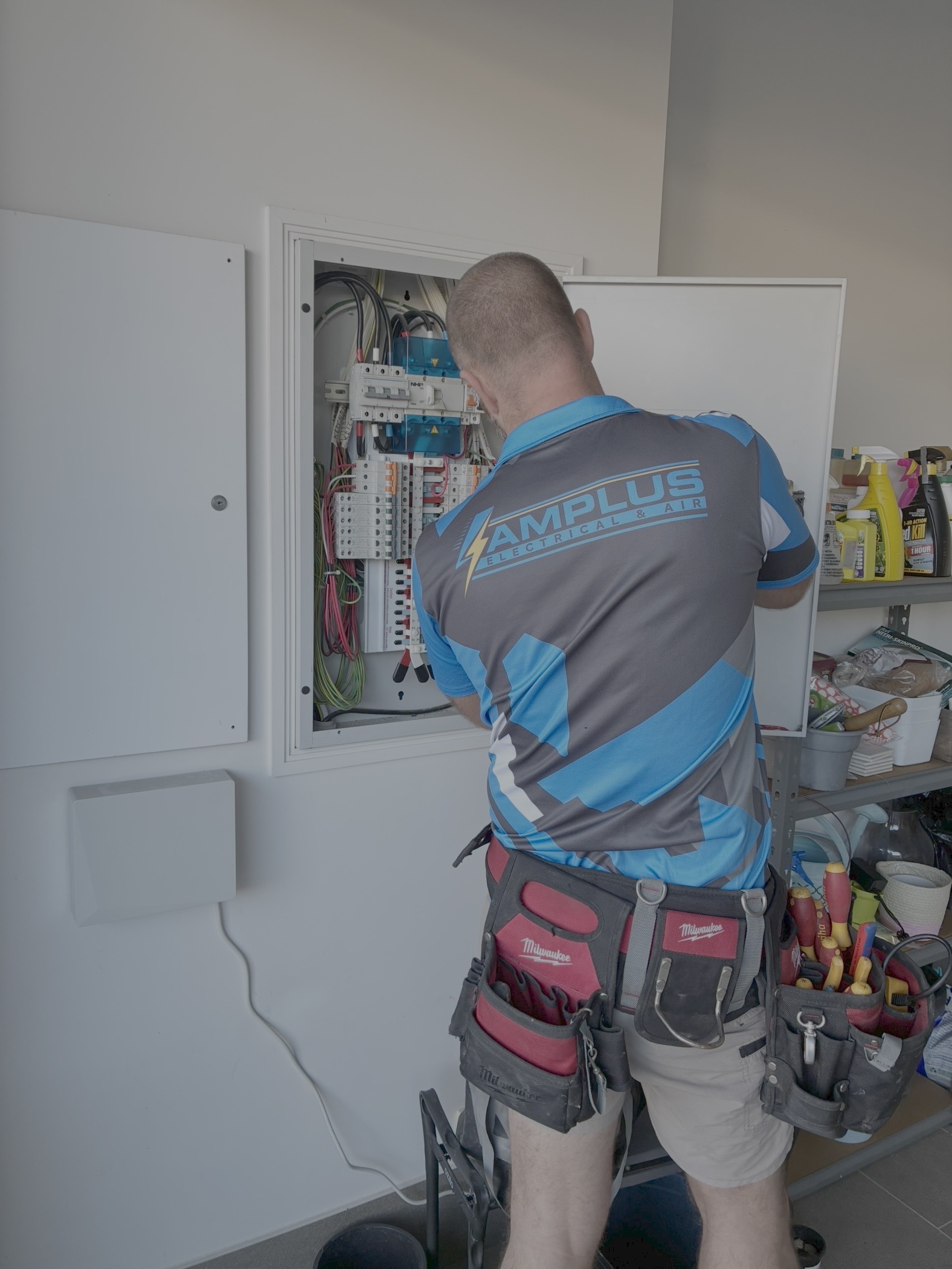
An electrical safety certificate is a legal document issued by a licensed electrician after inspecting the property’s electrical installations. It confirms that:
- All electrical work is compliant with Australian Standards (AS/NZS 3000:2018 Wiring Rules)
- Safety switches are installed and functioning correctly
- Smoke alarms meet current requirements
- The switchboard is safe and compliant
- There are no immediate electrical hazards
When you need it: You must provide an electrical safety certificate to the buyer before settlement. If you don’t, the buyer can delay settlement or request a price reduction.
How much it costs: Typically $250-$400 for a standard 3-bedroom property. Learn more about electrical safety certificate costs in Brisbane.
What About Smoke Alarms?
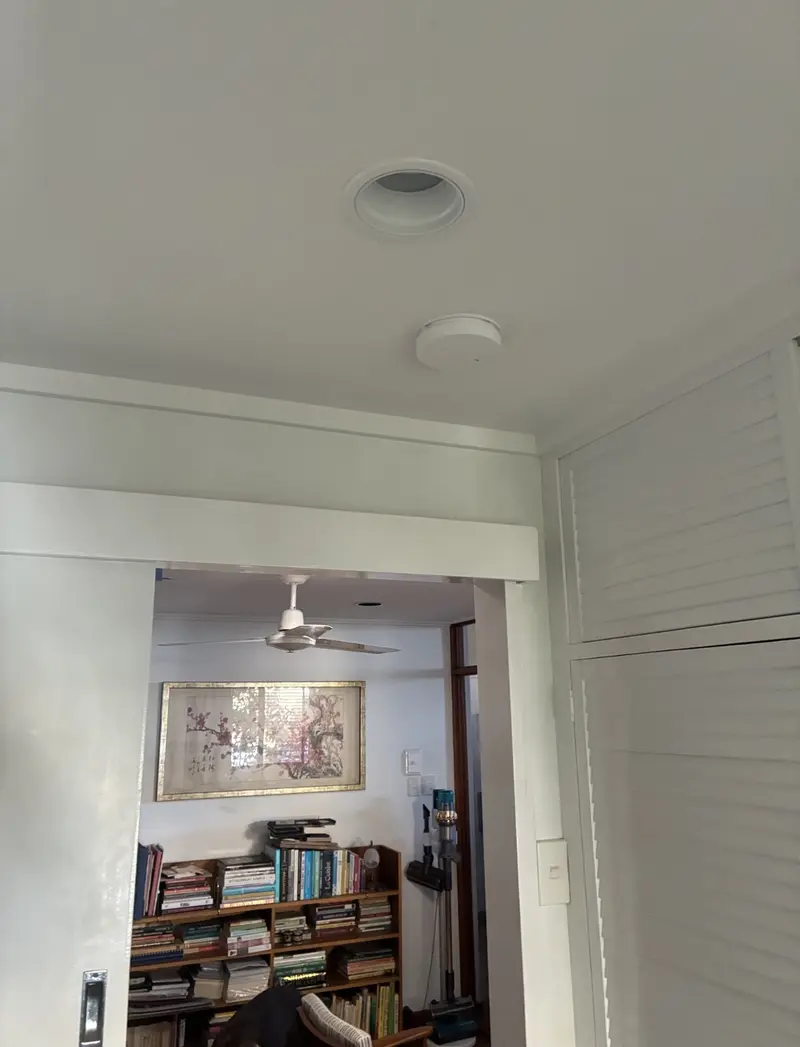
Queensland has strict smoke alarm requirements for property sales. Since 2017, all properties being sold must have:
- Photoelectric smoke alarms — not ionisation (which are being phased out)
- Interconnected alarms — when one alarm detects smoke, all alarms sound
- Alarms less than 10 years old — check the manufacture date on the back of each alarm
- Alarms in required locations — every bedroom, hallways connecting bedrooms, and on every level
Penalty for non-compliance: Up to $15,000 for an individual or $30,000 for a corporation. For a detailed breakdown, see our smoke alarm compliance guide.
Do You Need a Safety Switch (RCD) When Selling?
If your property was built before 2000, you must have safety switches (Residual Current Devices, or RCDs) installed on all power circuits and lighting circuits. This is a legal requirement, not optional.
What RCDs do: They detect earth leakage and cut power in milliseconds to prevent electrocution. Without them, a faulty appliance or damaged cable could be lethal.
Legal requirement: If your property doesn’t have RCDs, you must install them before selling. The buyer’s solicitor or conveyancer will check for this during the pre-settlement inspection.
Cost to install: Typically $150-$300 per circuit. If you have an older switchboard with ceramic fuses, you’ll likely need a switchboard upgrade first.
What to check: Look at your switchboard. If you see safety switches (they have a “Test” button), you’re likely compliant. If you’re not sure, book an electrical safety inspection.
Switchboard Compliance: What Sellers Need to Know
Your switchboard is the heart of your property’s electrical system. When selling, it must meet current safety standards. Here’s what inspectors look for:
Signs Your Switchboard Is Non-Compliant
- Ceramic fuses — old-style fuse boxes with ceramic cartridges are no longer compliant
- No safety switches (RCDs) — properties built before 2000 must have RCDs installed
- No circuit breakers — modern switchboards use circuit breakers, not fuses
- Overloaded circuits — too many circuits on a single breaker
- Visible damage — burn marks, corrosion, or loose wiring
- Asbestos backing — older switchboards may have asbestos behind them, requiring specialist removal
What to do: If your switchboard is outdated, book a switchboard upgrade before listing. The cost ($1,200-$2,500) is far less than the potential delays or price reductions at settlement. For a complete guide, see our switchboard upgrade guide.
How Much Does a Switchboard Upgrade Cost?
Switchboard upgrade costs vary depending on the complexity:
- Basic upgrade (3-4 circuits): $1,200-$1,800
- Standard upgrade (6-8 circuits): $1,800-$2,500
- Complex upgrade (10+ circuits, three-phase): $2,500-$4,000
- Asbestos removal (if present): $500-$1,500 additional
Timeline: Most upgrades take 1-2 days. Book early — electricians are often booked 2-3 weeks in advance, especially during peak selling seasons (spring and autumn).
For more details, see our switchboard upgrade cost guide.
The Pre-Sale Electrical Inspection: What It Covers
Before listing your property, it’s smart to get a pre-sale electrical inspection. This identifies any compliance issues early, so you can fix them before they become deal-breakers.
What Does the Inspection Include?
A pre-sale electrical inspection typically covers:
- Switchboard inspection — checks for compliance, safety switches, circuit breakers
- Smoke alarm testing — verifies age, type, and interconnection
- Safety switch testing — ensures RCDs trip within 300 milliseconds
- Visual inspection — checks for damaged power points, switches, and wiring
- Earthing and bonding — verifies proper earthing throughout the property
How much it costs: Typically $250-$400 for a standard property. This is the same as an electrical safety certificate, because the inspection is part of the certification process.
How long it takes: Usually 1-2 hours for a 3-bedroom property. You’ll receive the certificate on the same day if everything is compliant.
What If the Inspection Finds Issues?
If the inspection identifies non-compliance, you have options:
- Fix before listing — best option, avoids delays and price negotiations
- Fix before settlement — if the buyer agrees, you can fix issues between contract and settlement
- Price reduction — the buyer may request a reduction to cover the cost of fixes
- Walk away — if the issues are major and you can’t reach agreement, the buyer may terminate the contract
Recommendation: Fix issues before listing. It’s cheaper, faster, and gives you more control over the sale process. If you need urgent electrical work, see our guide on emergency electrical services.
Common Electrical Issues That Delay Property Sales
Based on my experience inspecting hundreds of properties across Brisbane and the Redlands, here are the most common electrical issues that cause delays:
1. Outdated Switchboards with Ceramic Fuses
If your property was built before 1990, there’s a good chance it still has ceramic fuses. These are no longer compliant and must be replaced with a modern switchboard using circuit breakers and safety switches.
How to fix: Book a switchboard upgrade. Cost: $1,200-$2,500. Timeline: 1-2 days.
2. Missing or Non-Compliant Smoke Alarms
Many older properties still have ionisation smoke alarms or alarms that are more than 10 years old. These must be replaced with photoelectric, interconnected alarms.
How to fix: Replace all non-compliant alarms. Cost: $120-$180 per alarm. Timeline: Same day.
3. No Safety Switches (RCDs)
Properties built before 2000 often don’t have safety switches. These are legally required and must be installed before selling.
How to fix: Install RCDs on all power and lighting circuits. Cost: $150-$300 per circuit. Timeline: Same day (if switchboard can accommodate them).
4. Damaged or Exposed Wiring
Frayed cables, exposed wiring, or damaged power points are immediate safety hazards and must be fixed before sale.
How to fix: Replace damaged wiring and power points. Cost: $150-$300 per power point. Timeline: Same day.
5. Overloaded Circuits
If your switchboard has too many circuits on a single breaker, it’s a fire risk and must be upgraded.
How to fix: Redistribute circuits or upgrade the switchboard. Cost: $500-$2,500 depending on complexity. Timeline: 1-2 days.
How Much Does It Cost to Get a Property Electrically Compliant?
The cost of electrical compliance varies depending on the property’s current condition. Here’s a typical breakdown for a 3-bedroom house in Brisbane:
| Item | Cost | Timeline |
|---|---|---|
| Electrical safety certificate | $250-$400 | 1-2 hours |
| Smoke alarm replacement (per alarm) | $120-$180 | Same day |
| Safety switch installation (per circuit) | $150-$300 | Same day |
| Switchboard upgrade | $1,200-$2,500 | 1-2 days |
| Power point replacement (per point) | $150-$300 | Same day |
| Asbestos removal (if present) | $500-$1,500 | 1 day |
Total cost range: $250 (if fully compliant) to $4,000+ (if major upgrades needed).
Recommendation: Get a pre-sale inspection early. This gives you time to fix issues before listing, avoiding delays and price negotiations. For more details, see our electrician cost guide.
When Should You Get an Electrical Inspection When Selling?
Timing is critical. Here’s the ideal timeline:
4-6 Weeks Before Listing
- Book a pre-sale electrical inspection
- Identify any compliance issues
- Get quotes for necessary work
2-4 Weeks Before Listing
- Complete any necessary electrical work
- Obtain electrical safety certificate
- Update property listing to highlight compliance
At Contract
- Provide electrical safety certificate to buyer’s solicitor
- Disclose any known electrical issues
Before Settlement
- Buyer’s solicitor verifies compliance
- Address any last-minute issues
Why early is better: If you leave it until the last minute, you risk delays, price negotiations, or a collapsed deal. Electricians are often booked 2-3 weeks in advance, especially during peak selling seasons.
Do You Need to Disclose Electrical Issues When Selling?
Yes. In Queensland, sellers have a legal obligation to disclose known defects, including electrical issues. This includes:
- Known electrical hazards (exposed wiring, damaged power points)
- Non-compliant installations (missing safety switches, outdated switchboards)
- Previous electrical incidents (fires, shocks)
- Uncompleted electrical work (if you started work but didn’t finish)
What happens if you don’t disclose: The buyer can take legal action against you after settlement. They may be able to claim damages or even terminate the contract.
Recommendation: Be transparent. Disclose all known issues and provide documentation of any work you’ve done. This builds trust and reduces the risk of disputes.
What If You’re Selling a Rental Property with Tenants?
If you’re selling a rental property with tenants in place, you have additional obligations:
- Maintain compliance — you must keep the property compliant until settlement, even if it’s listed for sale
- Provide access — tenants must allow access for inspections and repairs, but you must give reasonable notice (typically 24-48 hours)
- Transfer documentation — provide the buyer with all electrical compliance documentation, including current certificates
- Inform tenants — let tenants know the property is being sold and who to contact for maintenance
What happens at settlement: The buyer inherits the property with the tenants in place. They become the new landlord and take on all electrical compliance obligations. For more details, see our guide on landlord electrical obligations in QLD.
Regional Considerations: Brisbane and Redlands
Electrical compliance requirements are the same across Queensland, but there are some regional considerations for Brisbane and the Redlands:
Older Properties in Capalaba and Cleveland
Many properties in Capalaba, Cleveland, and surrounding suburbs were built in the 1970s and 1980s. These often have:
- Ceramic fuse switchboards (non-compliant)
- No safety switches (RCDs)
- Ionisation smoke alarms (non-compliant)
- Outdated wiring (may need rewiring)
What to expect: If you’re selling an older property in the Redlands, budget for a switchboard upgrade ($1,200-$2,500) and full smoke alarm replacement ($120-$180 per alarm). For local considerations, see our Capalaba switchboard upgrade guide.
Coastal Properties in Victoria Point and Wellington Point
Properties near the coast are more susceptible to corrosion, which can affect:
- Switchboard components (rust, corrosion)
- External power points and wiring
- Air conditioner electrical connections
What to check: If you’re selling a coastal property, have an electrician inspect for corrosion damage. This is especially important for properties built before 2000.
Newer Properties in Thornlands and Mount Cotton
Properties built after 2000 are more likely to be compliant, but may still have issues:
- Smoke alarms older than 10 years (check manufacture date)
- Overloaded circuits (if you’ve added air conditioners or EV chargers)
- Damaged wiring (from renovations or DIY work)
What to expect: Newer properties typically need less work, but still require a current electrical safety certificate.
How to Choose an Electrician for Pre-Sale Electrical Work
Not all electricians are the same. When you’re preparing to sell, you need someone who understands compliance requirements, can work to tight deadlines, and provides proper documentation. Here’s what to look for:
Check Their Licence
Every electrician in Queensland must hold a current licence issued by the Electrical Safety Office. You can verify licences online at electricalsafety.qld.gov.au/licence-search.
What to ask for: Ask to see their licence number and check it yourself. Don’t rely on verbal assurances. A licensed electrician will have no problem providing this.
Look for Experience with Property Sales
Electrical work for property sales is different from general repairs. You need someone who understands:
- What inspectors look for during pre-settlement inspections
- How to prioritise work that affects compliance
- How to provide proper documentation (certificates, receipts)
- How to work within tight timelines (you may only have 2-3 weeks before settlement)
What to ask: “Have you done pre-sale electrical work before? Can you provide references from other sellers?”
Get Multiple Quotes
Don’t accept the first quote. Get at least 3 quotes from different electricians. This gives you:
- A sense of the fair market price
- Confidence you’re not being overcharged
- Options if one electrician is booked too far out
What to compare: Don’t just look at price. Compare scope of work, timeline, warranty, and whether they provide a certificate of compliance. For more details, see our electrician cost guide.
Check Reviews and References
Look for electricians with good reviews on Google, Facebook, or local community groups. Ask for references from recent clients, especially other sellers.
What to look for: Consistent positive feedback about reliability, communication, and quality of work. Red flags include complaints about missed deadlines, poor communication, or incomplete work.
What Happens If You Don’t Get Electrical Compliance Right?
Skipping electrical compliance when selling a property is a false economy. Here’s what can go wrong:
Delayed Settlement
If you don’t provide an electrical safety certificate, the buyer’s solicitor will likely delay settlement until you do. This can cost you:
- Storage costs — if you’ve already moved out, you’re paying for storage
- Mortgage interest — you’re still paying interest on your loan
- Penalty interest — the contract may include penalty interest for delays
Price Reductions
If the buyer’s pre-settlement inspection identifies electrical issues, they may request a price reduction to cover the cost of fixes. This is often more expensive than fixing the issues yourself before listing.
Typical price reductions: $2,000-$5,000 for switchboard upgrades, $500-$1,500 for smoke alarm replacement. These costs are often higher than if you’d done the work yourself.
Collapsed Deals
In extreme cases, buyers may terminate the contract if electrical issues are significant. This means:
- You’re back to square one — relisting the property
- You’ve lost time and marketing costs
- You may have to disclose the previous failed sale to future buyers
Legal Liability
If you fail to disclose known electrical issues and a problem occurs after settlement, the buyer can take legal action against you. This can result in:
- Damages for the cost of repairs
- Legal costs
- Reputational damage
Bottom line: The cost of compliance ($250-$4,000) is far less than the potential costs of non-compliance (delayed settlement, price reductions, legal action). Get it right the first time.
Frequently Asked Questions
Do I need an electrical safety certificate when selling a house in Brisbane?
Yes. In Queensland, you must provide an electrical safety certificate to the buyer before settlement. This is a legal requirement, not optional. The certificate confirms that the property’s electrical installations are safe and compliant.
How much does an electrical safety certificate cost in Brisbane?
Typically $250-$400 for a standard 3-bedroom property. The cost varies depending on the property size and complexity. Learn more about electrical safety certificate costs.
What if my property fails the electrical inspection?
If your property fails the inspection, you’ll need to fix the issues before you can get a certificate. Common issues include outdated switchboards, missing safety switches, and non-compliant smoke alarms. The cost to fix varies, but typically ranges from $500-$4,000 depending on the work required.
Can I sell a house without an electrical safety certificate?
Technically yes, but the buyer can delay settlement or request a price reduction. Most buyers’ solicitors will require a certificate before settlement. It’s much easier to get one before listing.
How long is an electrical safety certificate valid?
An electrical safety certificate is valid for 2 years. If your certificate is older than 2 years, you’ll need a new one when selling.
Do I need to upgrade my switchboard when selling?
If your switchboard has ceramic fuses, no safety switches, or is non-compliant with current standards, yes — you must upgrade it before selling. An old but ‘working’ switchboard may still be legally non-compliant.
What smoke alarms do I need when selling a house?
All smoke alarms must be photoelectric, interconnected, and less than 10 years old. They must be installed in every bedroom, hallways connecting bedrooms, and on every level. For more details, see our smoke alarm compliance guide.
Can I do electrical work myself before selling?
No. In Queensland, only licensed electricians can perform electrical work. DIY electrical work is illegal, voids your insurance, and can result in fines up to $15,000. Even changing a power point requires a licensed electrician.
How long does it take to get electrical compliance?
If your property is already compliant, you can get a certificate on the same day as the inspection. If work is needed, it typically takes 1-2 weeks to complete the work and get the certificate. Book early — electricians are often booked 2-3 weeks in advance.
What if I’m selling a rental property with tenants?
You must maintain compliance until settlement and provide the buyer with all electrical compliance documentation. Tenants must allow access for inspections and repairs, but you must give reasonable notice. For more details, see our guide on landlord electrical obligations in QLD.
Do I need to disclose electrical issues when selling?
Yes. In Queensland, sellers must disclose known defects, including electrical issues. This includes known hazards, non-compliant installations, and previous electrical incidents. Failure to disclose can result in legal action after settlement.
How much does it cost to get a property electrically compliant?
Typical costs for a 3-bedroom property include: electrical safety certificate ($250-$400), smoke alarm replacement ($120-$180 per alarm), safety switch installation ($150-$300 per circuit), and switchboard upgrade if needed ($1,200-$2,500). Total costs typically range from $250-$4,000 depending on the property’s current condition.
Ready to Sell? Get Your Property Compliant Today
Don’t let electrical compliance issues delay your sale or reduce your sale price. Get a pre-sale electrical inspection early, fix any issues before listing, and provide the buyer with current documentation.
I’m Aaron, a licensed electrician in Brisbane. I’ve helped hundreds of sellers get their properties compliant across Capalaba, Cleveland, Redlands, and greater Brisbane. I offer fast, reliable service with upfront pricing and no surprises.
For a comprehensive electrical safety inspection at $199, see our electrical safety inspection cost guide.
Call me on 0419 014 146 or book online to get your property compliant before your next sale.
Electrical Contractor Licence #1500996 | ARCtick Licence #L183747
Need a Licensed Electrician in Brisbane Bayside?
Aaron is a licensed electrician (Lic. 1500996) and ARC-certified A/C technician serving Capalaba, Cleveland, Wynnum, Manly, Birkdale, Thornlands, Victoria Point and surrounding suburbs. Honest advice, upfront pricing, and quality work guaranteed.