Test and Tag Brisbane: Complete Guide for Businesses (2026)
The Quick Answer Test and tag is legally required for all Brisbane workplaces under QLD WHS laws. At Amplus Electrical & Air, we charge $3-8 per item (volume discounts available), provide same-day service across Brisbane and the Redlands…
The Quick Answer
Test and tag is legally required for all Brisbane workplaces under QLD WHS laws. At Amplus Electrical & Air, we charge $3-8 per item (volume discounts available), provide same-day service across Brisbane and the Redlands (Capalaba, Cleveland, Victoria Point, Thornlands), and deliver full digital compliance reports. Licensed electrician Aaron Ross (Lic #1500996) handles every job personally.
If your Brisbane business has electrical equipment — and it does — you’re legally required to test and tag it. This isn’t optional. It’s a workplace health and safety obligation under Queensland law, and failing to comply can result in fines up to $40,000 for individuals and $600,000 for businesses.
At Amplus Electrical & Air, we’ve been testing and tagging electrical equipment for Brisbane businesses for over a decade. From offices in Capalaba to warehouses in Cleveland, schools in Victoria Point to construction sites across the Redlands, we’ve handled it all. This guide covers everything you need to know: what gets tested, how often, what it costs, and how to stay compliant without the guesswork.
For related guidance, see our switchboard upgrade guide if you are dealing with older electrical infrastructure, or our smoke alarm compliance page for residential safety obligations.
What Is Test and Tag?
Test and tag is the process of visually inspecting and electrically testing portable electrical equipment to ensure it’s safe for workplace use. The “test” part involves using a calibrated Portable Appliance Tester (PAT) to check for electrical faults like earth continuity issues, insulation breakdown, and incorrect wiring. The “tag” part is a durable label attached to the equipment showing the test date, retest due date, and the name or ID of the technician who performed the test.
It’s not just about slapping a sticker on a power cord. Proper test and tag testing identifies hidden electrical faults that visual inspection alone can’t catch — faults that could cause electric shocks, fires, or equipment failure.
Why Is Test and Tag Legally Required in Queensland?
Under the Work Health and Safety Act 2011 (Qld), employers and persons conducting a business or undertaking (PCBU) have a primary duty of care to ensure, so far as is reasonably practicable, the health and safety of workers. This includes ensuring that electrical equipment used in the workplace is safe.
The specific standard that governs test and tag is AS/NZS 3760:2022 — In-service safety inspection and testing of electrical equipment. This Australian Standard sets out the requirements for:
- Who can perform the testing (a competent person)
- How often testing must occur (based on equipment type and environment)
- What tests must be performed
- How results must be recorded
While the standard itself doesn’t have the force of law, Queensland WHS regulators use it as the benchmark for what constitutes “reasonably practicable” safety measures. If you haven’t followed AS/NZS 3760 and someone gets injured, you’re in serious trouble.
For official guidance, check the Electrical Safety Office Queensland.
What Electrical Equipment Gets Tested?
The short answer: everything that plugs into a power outlet. But here’s the detailed breakdown:
Office Equipment
- Computers, laptops, monitors
- Printers, scanners, photocopiers
- Phones, chargers, power adapters
- Kettles, toasters, microwaves (in break rooms)
- Power boards, extension leads
- Desk lamps, task lighting
Workshop & Industrial Equipment
- Power tools (drills, grinders, saws)
- Extension leads (heavy-duty)
- Portable lighting
- Welding equipment
- Compressors
- 3-phase equipment
Hospitality & Retail
- Commercial kitchen equipment (ovens, fryers, mixers)
- POS systems, EFTPOS terminals
- Refrigeration units
- Display lighting
- Cleaning equipment (vacuum cleaners, floor polishers)
Construction Sites
- All portable power tools
- Temporary wiring
- Portable RCDs
- Extension leads
- Portable lighting
Note: Fixed wiring (like your building’s main electrical installation) is not covered by test and tag. That’s inspected separately under AS/NZS 3000 (the Wiring Rules). Test and tag is specifically for portable equipment — anything with a flexible cable and a plug.
How Often Do You Need to Test and Tag?
The retest frequency depends on two things: the type of equipment and the environment it’s used in. Here’s the breakdown from AS/NZS 3760:
| Environment | Retest Frequency | Examples |
|---|---|---|
| Construction & demolition sites | Every 3 months | Power tools, extension leads, portable RCDs |
| Factories, workshops, manufacturing | Every 6 months | Power tools, portable equipment |
| Commercial kitchens, hospitality | Every 6 months | Ovens, mixers, fryers, refrigeration |
| Offices, retail, schools | Every 12 months | Computers, printers, kettles, power boards |
| Environments where equipment is rarely moved | Every 5 years | Desktop computers, monitors, fixed appliances |
Important: These are minimum requirements. If equipment is used heavily, moved frequently, or used in harsh conditions (dust, moisture, vibration), you should test more often. When in doubt, test sooner rather than later.
The Test and Tag Process: What Actually Happens
Here’s what happens when we come to your Brisbane workplace:
Step 1: Initial Walkthrough
We do a quick walkthrough of your premises to identify all electrical equipment that needs testing. We’ll also note any items that are obviously damaged or unsafe — these get flagged immediately.
Step 2: Visual Inspection
Every item gets a visual inspection first. We’re looking for:
- Damaged cords or plugs
- Cracked or broken casings
- Signs of overheating (discolouration, melting)
- Missing or damaged strain relief
- Inappropriate use (e.g., indoor equipment used outdoors)
If an item fails the visual inspection, it’s tagged as “failed” and removed from service immediately. No point electrically testing something that’s already visibly unsafe.
Step 3: Electrical Testing
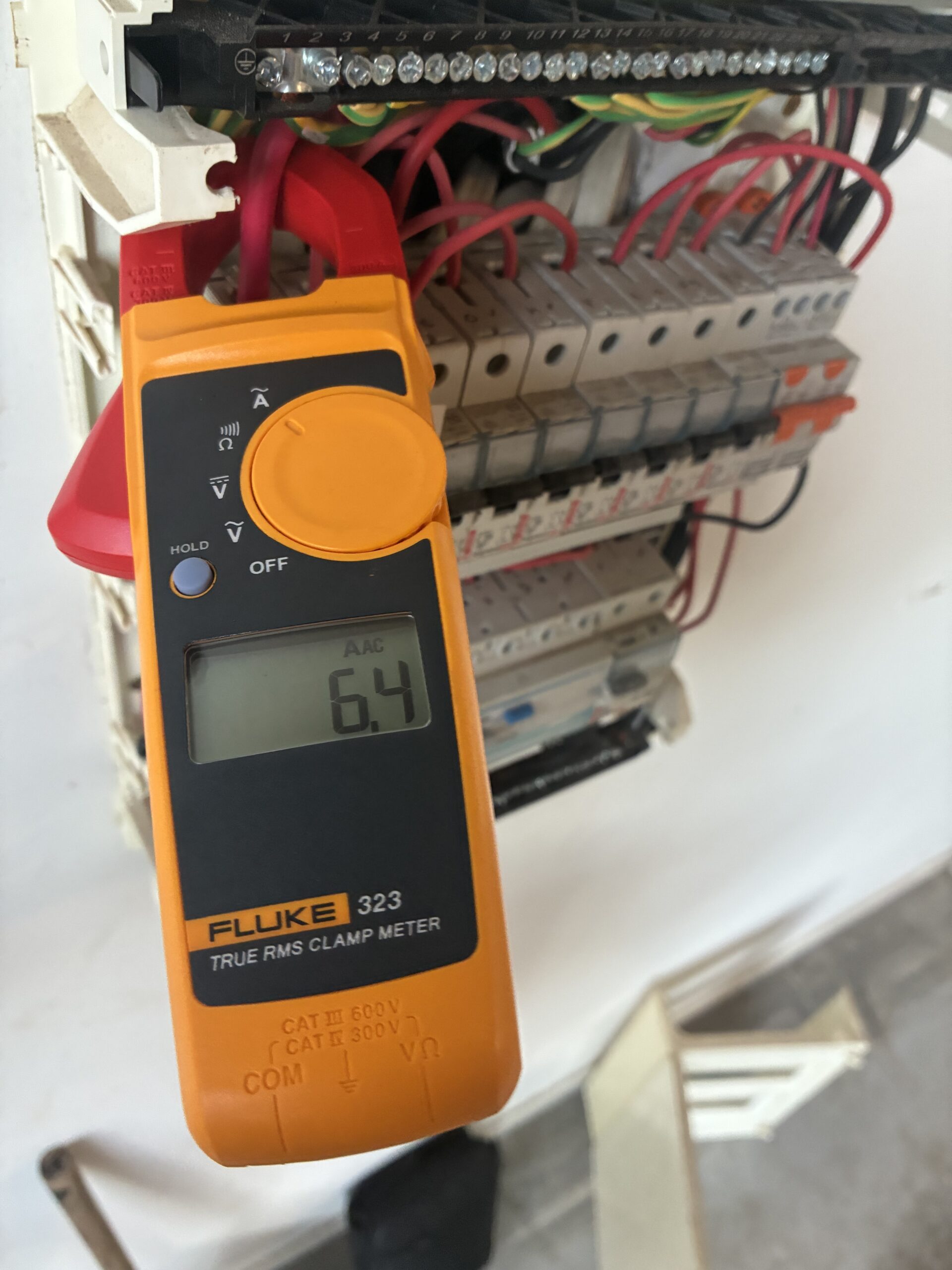
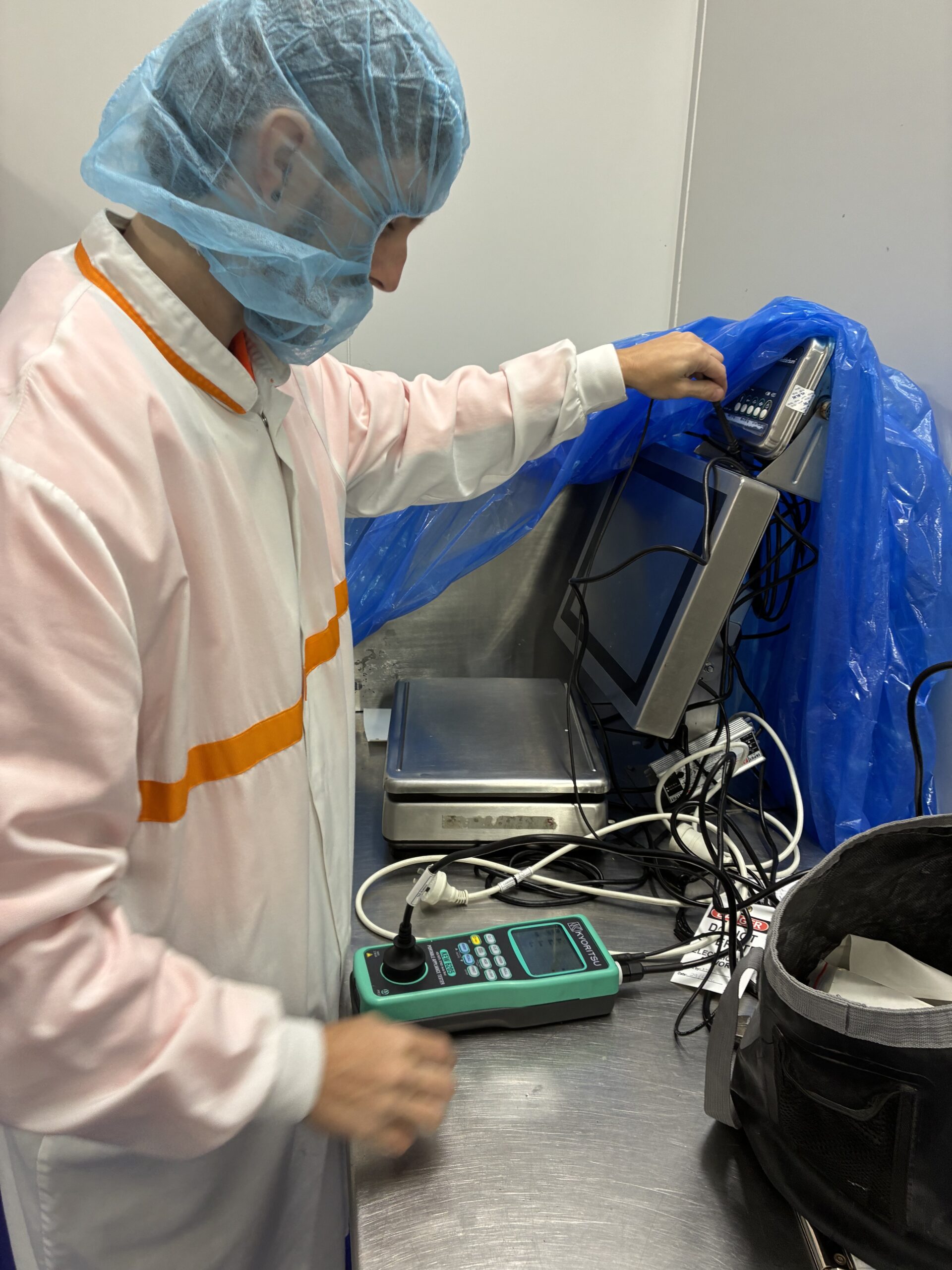
Items that pass visual inspection get electrically tested using a calibrated Portable Appliance Tester (PAT). The tests vary depending on the equipment class, but typically include:
- Earth continuity test: Ensures the earth wire is properly connected
- Insulation resistance test: Checks for breakdown in insulation that could cause shocks
- Polarity test: Verifies active, neutral, and earth are wired correctly
- Leakage current test: Measures current leakage that could be dangerous
Each test takes about 2-3 minutes per item. We test every item individually — no shortcuts.
Step 4: Tagging
Items that pass get a durable self-adhesive tag showing:
- Test date
- Retest due date
- Technician name or ID
- Pass/fail status
Failed items get a “DANGER — DO NOT USE” tag and are removed from service. You’ll need to repair or replace them before they can be used again.
Step 5: Compliance Report
After testing, we provide a detailed digital compliance report that includes:
- Asset register of all tested equipment
- Test results for each item
- List of failed items
- Retest schedule
- Technician details and calibration certificates
This report is your proof of compliance. Keep it safe — you’ll need it for WHS audits, insurance claims, or if WorkSafe QLD ever comes knocking.
How Much Does Test and Tag Cost in Brisbane?
Here’s where most test and tag companies make you guess. Not us. Here’s our pricing:
| Number of Items | Price Per Item | Total Cost (incl. GST) |
|---|---|---|
| 1-20 items | $8 per item | $160 minimum |
| 21-50 items | $6 per item | $126-$300 |
| 51-100 items | $5 per item | $255-$500 |
| 101-300 items | $4 per item | $404-$1,200 |
| 300+ items | $3 per item | $900+ |
What’s included:
- All testing and tagging
- Digital compliance report
- Asset register
- Retest reminders
- Travel within Brisbane metro area
No call-out fee. No hidden charges. The price we quote is the price you pay.
For comparison, most test and tag franchises charge $5-10 per item with a $200+ minimum call-out fee. We’re cheaper because we’re a local operation, not a franchise with overheads to cover.
How to Prepare for Test and Tag
Test and tag is pretty low-disruption, but here’s how to make it even smoother:
- Make equipment accessible: Clear items away from walls or under desks so we can reach them easily
- Unplug non-essential items: We’ll need to unplug everything to test it, so if there’s equipment that can’t be interrupted (like servers), let us know in advance
- Identify high-risk items: If you know certain equipment has been giving you trouble, point it out
- Have someone available: Someone from your team should be available to answer questions and help us access equipment
Most jobs take 2-4 hours depending on the number of items. We can work around your business hours — early morning, after hours, or weekends if needed.
What You Get After Testing
After we finish testing, you’ll receive:
- Digital compliance report: A detailed PDF showing every item tested, test results, and pass/fail status
- Asset register: A list of all your electrical equipment with test dates and retest due dates
- Failed items list: Clear documentation of what failed and needs to be replaced or repaired
- Retest reminders: We’ll email you before your next test is due so you don’t fall behind
- Technician details: Name, licence number, and calibration certificates for your records
Keep this documentation. It’s your proof of compliance for WHS audits, insurance claims, and regulatory inspections.
Why Choose Amplus Electrical & Air Over a Franchise?
There are a few test and tag franchises operating in Brisbane. Here’s why local businesses choose us instead:
1. We’re Real Electricians, Not Just Testers
Aaron Ross is a licensed Queensland electrician (Licence #1500996) and Master Electricians member. We don’t just test equipment — we understand electrical systems. If we find a problem, we can actually fix it. Franchise testers often just identify issues and tell you to call an electrician. We are the electrician.
2. We’re Local, Not a Call Centre
We’re based in Capalaba and serve Brisbane, the Redlands (Cleveland, Victoria Point, Thornlands, Redland Bay, Sheldon, Alexandra Hills, Birkdale, Mount Cotton, Ormiston, Wellington Point), and Bayside suburbs. When you call us, you talk to Aaron — not a call centre operator reading from a script.
3. We’re Cheaper
Franchises have overheads — franchise fees, marketing levies, call centre staff. We don’t. That means we can charge $3-8 per item while franchises charge $5-10 per item. Same service, lower price.
4. We Bundle Services
Need your test and tag done? While we’re there, we can also check your safety switches, inspect your switchboard, or quote on any electrical work. Franchises only do test and tag. We do everything electrical.
5. We Have Real Photos and Reviews
Every photo on our site is from a real job. Every review is from a real Brisbane business. We’re not stock photos and fake testimonials. If you want to see our work, we’ll show you.
Bundled Services: Test and Tag Plus More
While we’re on-site for test and tag, we can also perform:
- RCD (safety switch) testing: Test all safety switches to ensure they trip within required timeframes
- Switchboard inspection: Visual inspection of your switchboard for signs of wear, overheating, or non-compliance
- Microwave leakage testing: Test microwave ovens to ensure they’re not leaking radiation
- Emergency lighting testing: Test emergency exit lights and signage
Bundle these services together and save time (and money). One visit, one invoice, one compliance report. Many of our clients also need circuit breaker repairs or LED lighting upgrades while we are on site.
Test and Tag Across Brisbane and the Redlands
We provide test and tag services across Brisbane and the Redlands, including:
- Capalaba: Offices, retail, warehouses
- Cleveland: Schools, medical practices, hospitality
- Victoria Point: Retail precincts, offices, construction sites
- Thornlands: Home-based businesses, offices
- Redland Bay: Industrial sites, warehouses
- Alexandra Hills: Retail, offices, schools
- Birkdale: Medical practices, offices
- Mount Cotton: Industrial sites, warehouses
- Ormiston: Schools, offices
- Wellington Point: Retail, offices
We also service greater Brisbane — just ask. If you’re in Brisbane, we’ll come to you.
Need test and tag for your Brisbane business?
Get a Free Quote Call 0419 014 146
Frequently Asked Questions
Do I legally have to test and tag?
Yes. Under the QLD Work Health and Safety Act 2011, you have a duty of care to ensure electrical equipment in your workplace is safe. While the law doesn’t specifically say “you must test and tag,” following AS/NZS 3760 is the recognised way to meet that duty. If you don’t test and tag and someone gets injured, you’re in breach of your WHS obligations.
Can I test and tag myself?
Technically yes, but you need to be a “competent person” as defined by AS/NZS 3760. That means you need training, a calibrated PAT tester, and you need to understand what you’re doing. For most businesses, it’s cheaper and safer to outsource it to a professional.
How long does test and tag take?
Most jobs take 2-4 hours. Each item takes about 2-3 minutes to test. If you have 50 items, expect about 2-2.5 hours of testing time plus setup and reporting.
What happens if equipment fails?
Failed equipment gets a “DANGER — DO NOT USE” tag and is removed from service immediately. You can either repair it (by a licensed electrician) or replace it. Once repaired, it can be retested and tagged if it passes.
Do you provide a certificate?
Yes. You get a digital compliance report that serves as your certificate of compliance. It includes all test results, asset registers, and technician details. Keep it for your records.
How often do I need to retest?
It depends on your industry. Construction sites: every 3 months. Factories and commercial kitchens: every 6 months. Offices and retail: every 12 months. We’ll advise you based on your specific situation.
Do you work after hours?
Yes. We can test early morning, after hours, or weekends to minimise disruption to your business. Just let us know your preferred times when you book.
What if I don’t know how many items I have?
No problem. We’ll do a quick walkthrough and count for you. Most offices have 30-80 items. Retail shops and warehouses vary more. We’ll give you an accurate quote after the count.
Aaron Ross is a licensed Queensland electrician (Licence #1500996), Master Electricians member, and ARCtick certified (Licence L183747). He’s been testing and tagging electrical equipment for Brisbane businesses for over a decade.
Need a Licensed Electrician in Brisbane Bayside?
Aaron is a licensed electrician (Lic. 1500996) and ARC-certified A/C technician serving Capalaba, Cleveland, Wynnum, Manly, Birkdale, Thornlands, Victoria Point and surrounding suburbs. Honest advice, upfront pricing, and quality work guaranteed.